When someone you love is recovering after a stroke, spinal cord injury, or nerve-related condition, families often hear two words: physiotherapy and neurotherapy.
They sound similar but they are not the same, and choosing the right approach can make recovery clearer and safer.

If you’re reading this, you may be in that familiar situation we see at Rehabana all the time: someone in the family is recovering, and you’re trying to understand what kind of therapy is actually needed.
One doctor says “start physiotherapy.” Someone else mentions “neurotherapy.” A friend says, “Do both.” And suddenly you’re left thinking, “What is the difference? Are they the same thing with different names?”
Let’s make it simple – and practical.
Both physiotherapy and neurotherapy can help. Both play a role in rehabilitation. But they focus on different systems in the body, use different methods, and are used for different goals.
For structured, expert-guided care, consult specialised centres offering physiotherapy in Kolkata – so your loved one receives the right therapy at the right time.
This guide will explain the key differences between physiotherapy and neurotherapy in a simple way so you can make better decisions without confusion.
What Is Physiotherapy? (Simple Explanation)
Physiotherapy is a healthcare approach that helps improve movement, strength, flexibility, and physical function. It mainly focuses on the body’s movement system – muscles, joints, bones, posture, balance, and endurance.
A physiotherapist looks at how you move and why movement is limited. Then they create a treatment plan that may include:
- strengthening exercises
- stretching and mobility work
- balance training
- posture correction
- pain management techniques
- manual therapy (hands-on techniques)
Physiotherapy is commonly used for:
- back pain and neck pain
- sports injuries
- post-surgery recovery
- arthritis and joint stiffness
- muscle weakness
- general mobility improvement
Physiotherapy is often the first type of therapy people think of – because it’s widely used and helpful for many physical conditions.
Recommended: Physiotherapy in Kolkata : 5 Cutting-Edge Techniques

What Is Neurotherapy? (Simple Explanation)
Neurotherapy is a broader term that usually refers to therapy aimed at the nervous system – the brain, spinal cord, and nerves.
Neurotherapy may include rehabilitation approaches designed for neurological conditions, such as:
- stroke recovery
- spinal cord injury rehabilitation
- Parkinson’s disease
- multiple sclerosis
- traumatic brain injury
- nerve injuries and movement disorders
Neurotherapy focuses on how the brain and nervous system control movement, balance, sensation, speech, and daily function.
It often includes techniques to:
- retrain movement patterns
- improve coordination
- rebuild balance
- reduce spasticity (muscle tightness)
- support brain-based learning (neuroplasticity)
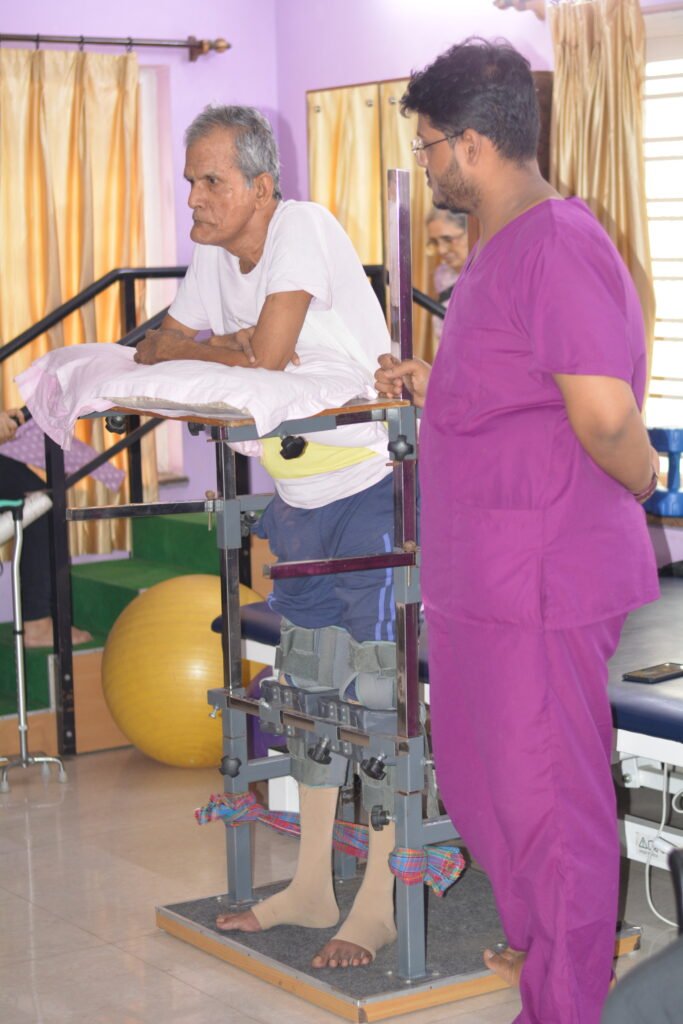
At Rehabana, when people say “neurotherapy,” they usually mean neuro rehabilitation, which may involve neuro physiotherapy, occupational therapy, speech therapy, and doctor-led rehab planning.
The Key Differences Between Physiotherapy and Neurotherapy
Let’s break this down in a clear way.
1) Main Focus: Body Movement vs Nervous System Control
Physiotherapy focuses on muscles, joints, and physical movement mechanics.
Neurotherapy focuses on the nervous system – how the brain and spinal cord control movement, balance, and function.
Example:
- A shoulder injury from lifting → physiotherapy
- Weakness after stroke → neurotherapy/neuro rehab
2) Conditions Treated
Physiotherapy is commonly used for:
- orthopedic injuries (ligament/tendon issues)
- back pain, neck pain
- arthritis
- post-surgical rehabilitation
- sports injuries
Neurotherapy is commonly used for:
- stroke
- spinal cord injury
- Parkinson’s disease
- multiple sclerosis
- brain injury
- nerve damage-related movement issues
Know more: Physiotherapy in Kolkata for Stroke Recovery: Ultimate Guide
3) Goals of Treatment
Physiotherapy goals usually include:
- reduce pain
- improve strength
- restore range of motion
- improve mobility
- return to daily routine or sport
Neurotherapy goals often include:
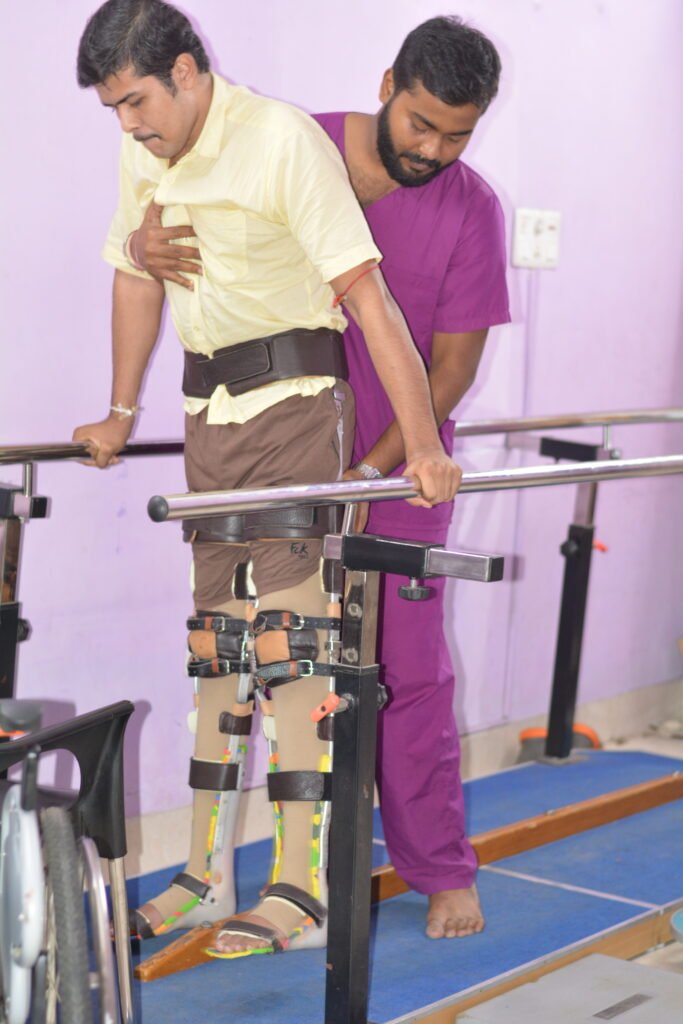
- regain brain-controlled movement
- improve balance and coordination
- improve functional independence
- improve walking quality and hand use
- retrain the nervous system to “relearn” skills
4) How Progress Happens
Physiotherapy often improves movement by:
- strengthening weak muscles
- improving joint flexibility
- correcting posture and movement habits
Neurotherapy often improves function by:
- retraining the brain through repetition
- building new brain pathways (neuroplasticity)
- using task-based functional practice
That’s why neurotherapy can feel slower at times – because it’s not just strengthening, it’s relearning.
5) Therapy Techniques Used
Physiotherapy may use:
- manual therapy
- stretching and mobilization
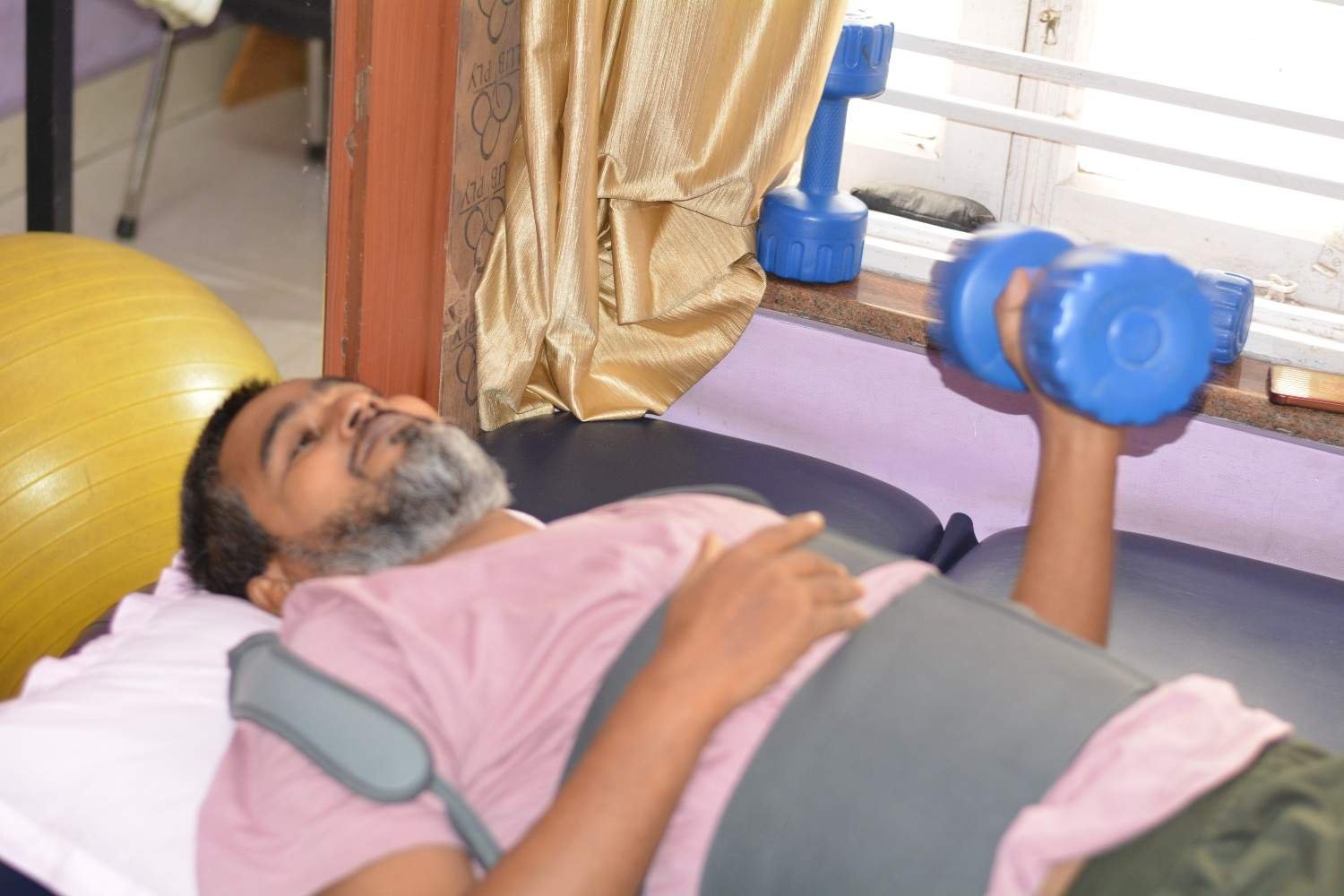
- strengthening exercises
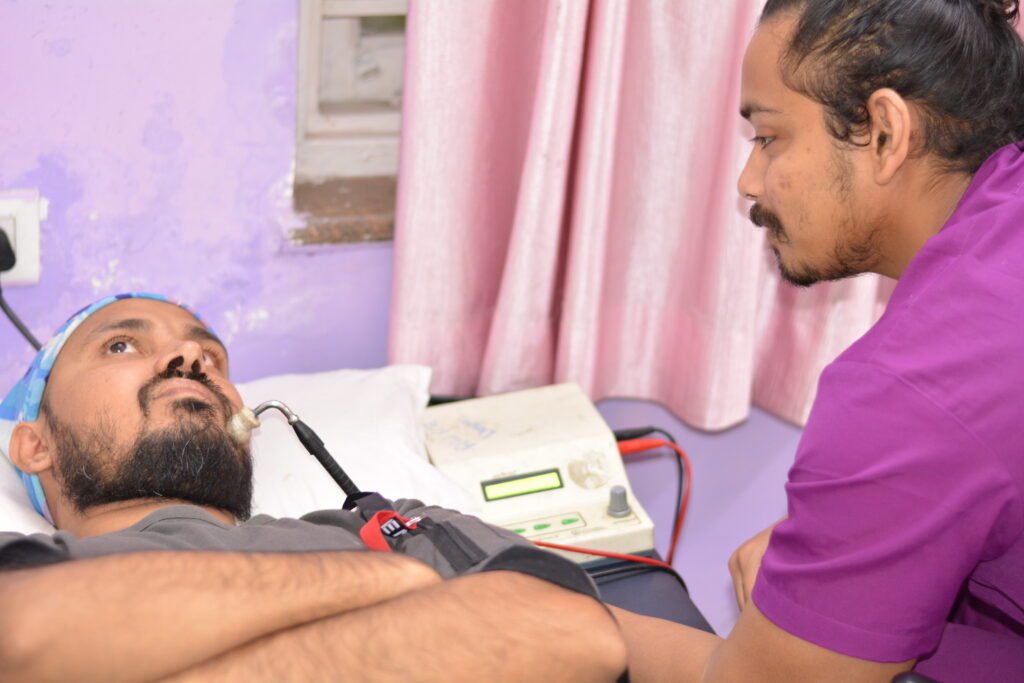
- pain management modalities
- posture and gait correction
Neurotherapy may use:
- task-oriented training
- balance and gait retraining
- spasticity management
- sensory stimulation and feedback techniques
- neuro-developmental approaches
- functional electrical stimulation (in some settings)
Both use exercises – but the purpose of the exercise differs.
6) Who Delivers the Therapy
Physiotherapy is delivered by a physiotherapist trained in musculoskeletal and movement rehab.
Neurotherapy is often delivered by a team that may include:
- neuro physiotherapists
- occupational therapists
- speech therapists
- rehabilitation physicians (PMR doctors)
- rehab nurses and psychologists
At Rehabana, , a specialised Neuro Rehabilitation Centre in Kolkata, this team-based approach is central – because neurological recovery needs more than one therapy type.
When Do You Need Physiotherapy?
You typically need physiotherapy when the main issue is related to:
- muscles and joints
- pain from posture or strain
- orthopedic injuries
- after surgery
- mobility issues without major brain or nerve damage
Examples:
- back pain, neck pain
- knee injury, ligament/tendon issues
- frozen shoulder
- post-fracture rehabilitation
- arthritis stiffness
Read more: Exploring Physiotherapy in Kolkata: Top 10 FAQs Answered for Better Health
When Do You Need Neurotherapy?
You typically need neurotherapy (neuro rehab) when the main issue is related to:
- stroke recovery
- spinal cord injury
- brain injury
- Parkinson’s disease
- multiple sclerosis
- nerve injuries affecting movement and function
These conditions affect how the brain sends messages to the body – so therapy must focus on retraining control, coordination, balance, and functional independence.

Can You Need Both?
Yes – very often.
Many neurological patients need both:
- neurotherapy to retrain movement control
- physiotherapy to build strength, endurance, and flexibility
For example:
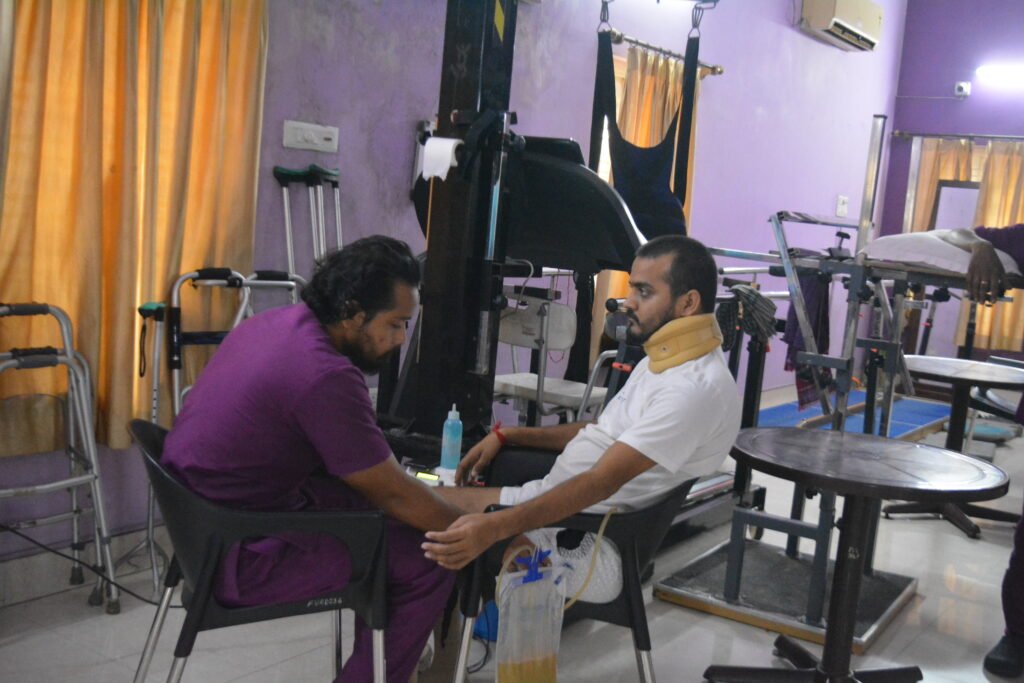
A stroke survivor may need neurotherapy for gait retraining and balance, plus physiotherapy to strengthen the leg muscles and improve stamina.
How to Decide the Right Approach
Here are a few simple questions to guide your decision:
- Is the problem mainly pain and stiffness in joints/muscles? → physiotherapy
- Is the problem mainly weakness, coordination issues, or paralysis after brain/spinal injury? → neurotherapy
- Is speech, swallowing, hand function, memory, or balance affected? → neuro rehab team approach
- Has a doctor diagnosed stroke, spinal cord injury, Parkinson’s, MS, or brain injury? → neurotherapy is needed
If you’re unsure, don’t guess. A proper assessment saves time and prevents wrong exercises.
Why This Matters in Recovery
When therapy matches the condition, recovery becomes clearer.
When therapy doesn’t match the condition:
- progress slows
- patients get discouraged
- wrong exercises can worsen spasticity or pain
- families waste time, energy, and money
This is why the right plan matters more than doing “more therapy.”
Conclusion
Physiotherapy and neurotherapy are both valuable , but they are not the same.
- Physiotherapy focuses on muscles, joints, and movement mechanics.
- Neurotherapy focuses on brain and nervous system recovery and retraining function.
If your loved one is recovering from a neurological condition, neurotherapy (neuro rehab) is essential – and often works best when combined with physiotherapy and other therapies.
Recovery is not always fast. But with the right plan and the right team, it becomes possible – and more hopeful.
If you’re confused about whether your loved one needs physiotherapy or neurotherapy, we can help you choose the right direction with a proper assessment.
📞 Call/WhatsApp: 9088746565
📧 Email: rehabana.care@gmail.com
🌐 Visit: https://www.rehabana.com/
At Rehabana, neuro rehab is doctor-led, team-based, and built around real-life recovery goals – so patients don’t just survive, they return to living.