Confused between speech therapy and language therapy? This simple guide explains the difference, symptoms, and how speech-language therapy helps children and adults.
Many people use the words speech therapy and language therapy as if they mean the same thing.
They are related – but they are not exactly the same.

Parents often ask:
- My child is not speaking clearly – is this a speech problem or a language problem?
- My father had a stroke and can’t find words – is that speech therapy or language therapy?
- Do we need speech therapy, language therapy, or both?
If you feel confused, you are not alone.
This guide explains the difference in very simple words, without medical jargon.
At Rehabana – Neuro Rehab Center, we see both children and adults every day who benefit from speech and language therapy. Understanding the difference helps families get the right support at the right time.
First, Let’s Keep It Very Simple
Here is the easiest way to understand it:
- Speech therapy focuses on how we say words
- Language therapy focuses on how we understand and use words
Many people need both.
That’s why professionals often use the term speech and language therapy together.
What Is Speech Therapy?
Speech therapy helps people who have trouble producing speech sounds or speaking smoothly.
It focuses on:
- Pronunciation of sounds
- Clarity of speech
- Voice quality
- Fluency (smooth flow of speech)
- Swallowing problems
A speech therapist or speech-language pathologist works on the physical part of speaking – how the lips, tongue, jaw, and voice work together.
Common Speech Problems
A person may need speech therapy if they:
- Slur words
- Mispronounce certain sounds (like “r”, “s”, “k”, “ch”)
- Speak too softly or too loudly
- Stammer or stutter (fluency disorder)
- Have a hoarse or weak voice (voice disorder)
- Have trouble swallowing food or water (swallowing issues)
These are all forms of speech disorders, and early evaluation can make a significant difference in recovery and communication confidence.
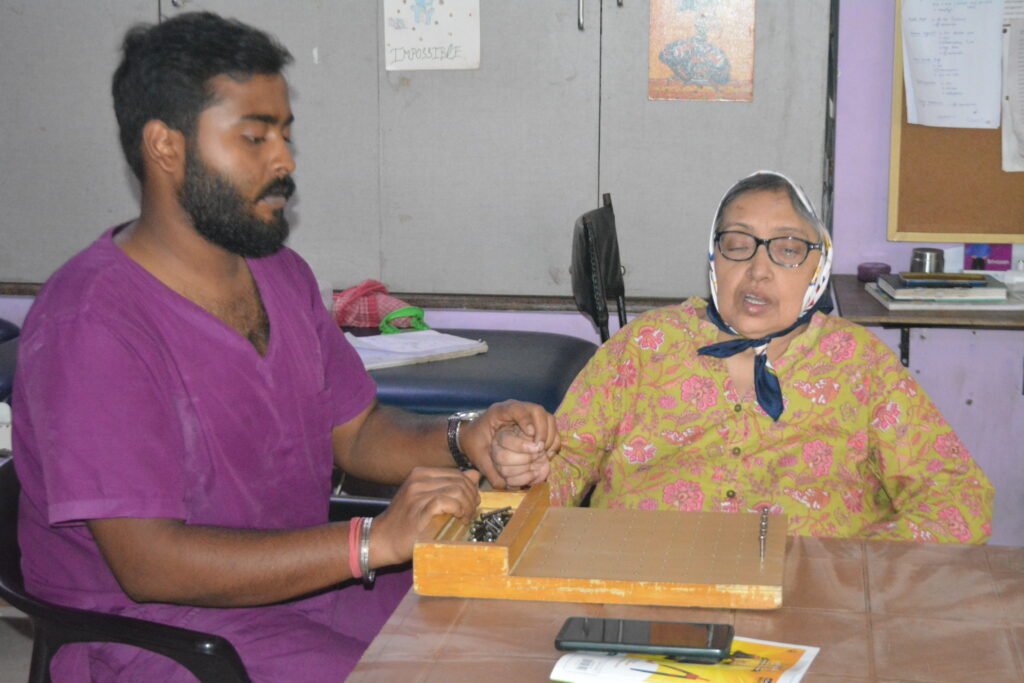
Examples of Speech Disorders
- Articulation disorder – difficulty producing correct sounds
- Fluency disorder – flow of speech is interrupted (stammering)
- Voice disorder – voice sounds strained, breathy, or weak
- Motor speech disorder – speech muscles don’t work properly (common after stroke or brain injury), including conditions like apraxia of speech
Speech disorders may occur in children and adults.
Read more: Speech Therapy: What It Is & How Speech and Language Therapy Works
What Is Language Therapy?
Language therapy helps people who have trouble understanding language or using language meaningfully.
Language is not just speaking. It includes:
- Understanding words and sentences
- Using correct words to express thoughts
- Forming sentences
- Telling stories
- Using language in a socially appropriate way
A language disorder affects how the brain processes language.
Common Language Difficulties
A person may need language therapy if they:
- Struggle to understand instructions
- Know what they want to say but can’t find the words
- Use very short or incomplete sentences
- Mix up words
- Have trouble answering questions
- Find conversations confusing
These issues are called language disorders.
Types of Language Disorders
- Receptive language disorder – difficulty understanding language
- Expressive language disorder – difficulty using language to express ideas
- Mixed language disorder – problems with both understanding and expression
A language disorder can affect school learning, work performance, and social interaction.
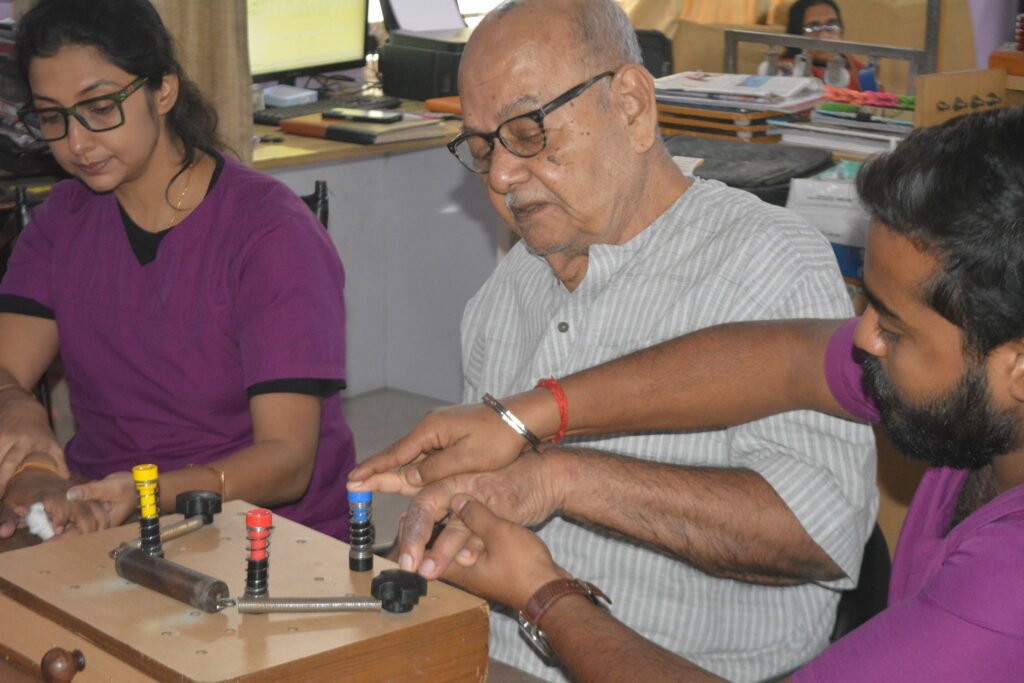
Speech vs. Language: Side-by-Side Comparison
| Speech Therapy | Language Therapy |
|---|---|
| Focuses on sounds and clarity | Focuses on meaning and understanding |
| How words are spoken | How words are used |
| Pronunciation, fluency, voice | Vocabulary, sentences, conversation |
| Physical coordination | Brain processing |
| “How it sounds” | “What it means” |
Why Many People Need Both
In real life, speech and language skills work together.
For example:
- A child may pronounce words clearly but not understand instructions
- A stroke survivor may understand everything but struggle to speak
- Someone may speak fluently but use language in a socially inappropriate way
That’s why professionals usually offer speech and language therapy together.
Know more: Speech Therapy in Kolkata: Addressing Post-Operative Vocal Challenges
Who Provides Speech and Language Therapy?
Therapy is provided by trained professionals called:
- Speech-language pathologists
- Speech-language therapists
- Language pathologists
They assess, plan, and deliver therapy based on the person’s needs.
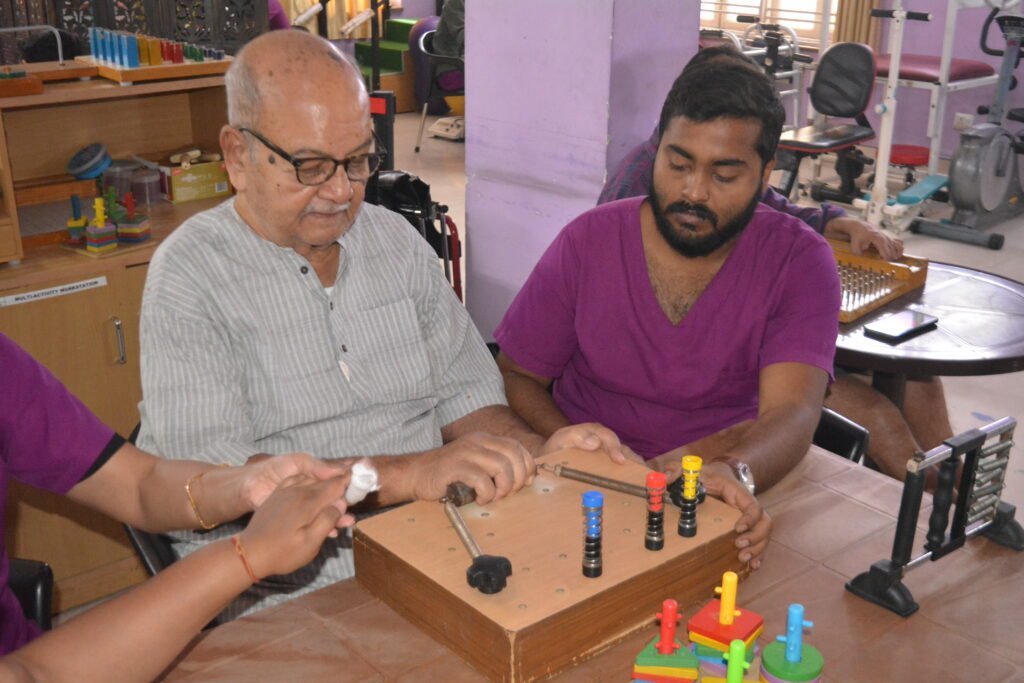
Speech Therapy for Children
When Might a Child Need Speech Therapy?
A child may need speech therapy if:
- Their speech sounds are unclear
- Others cannot understand them
- They stammer or get stuck on words
- They avoid speaking
This is common in children with speech disorders.
When Might a Child Need Language Therapy?
A child may need language therapy if they:
- Speak late
- Use very few words
- Cannot follow age-appropriate instructions
- Have difficulty forming sentences
- Struggle with social language skills
Language therapy helps stimulate language development through:
- Games
- Stories
- Repetition exercises to build language
- Activities that improve communication
Pediatric Therapy Is Play-Based
Speech therapy for children often looks like play:
- Picture cards
- Toys
- Songs
- Stories
- Turn-taking games
This helps children improve their speech and language skills naturally.
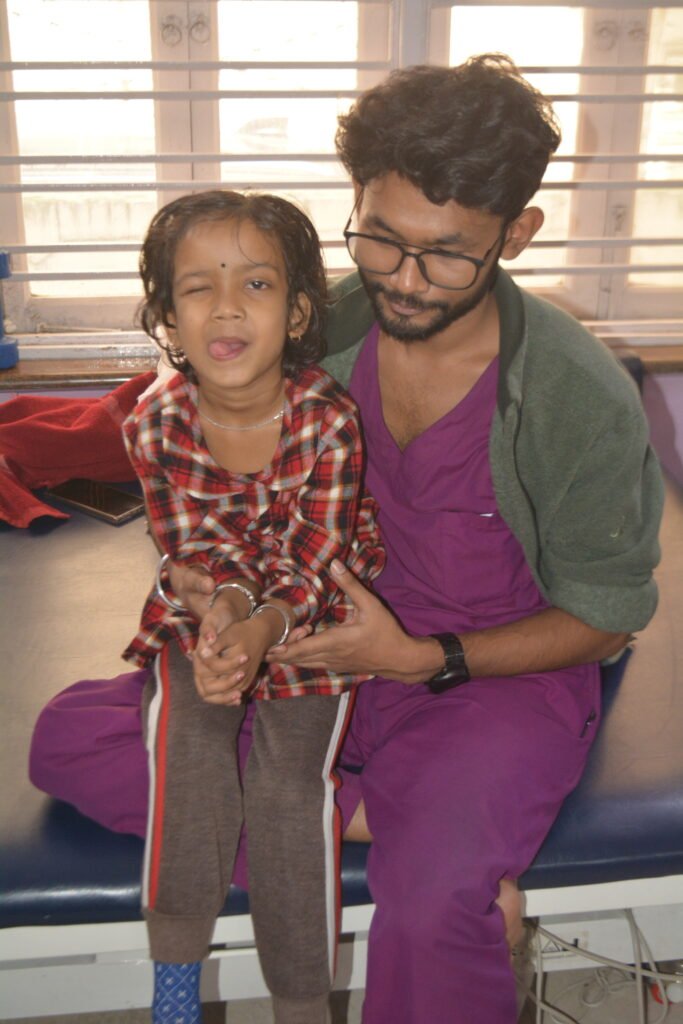
Speech Therapy for Adults
Adults may need speech therapy due to:
- Stroke
- Brain injury
- Parkinson’s disease
- Neurological conditions
- Surgery affecting voice or swallowing
Speech therapy for adults focuses on:
- Clear speech
- Safe swallowing
- Voice strength
- Communication confidence
Language Therapy for Adults
Adults may need language therapy if they:
- Understand language slowly
- Struggle to find words during conversations
- Cannot express thoughts clearly
- Have communication problems after a neurological condition
Language intervention activities help adults:
- Improve communication
- Use language effectively
- Participate in daily conversations
- Regain independence
What Happens in a Therapy Session?
A typical therapy session may include:
- Talking and listening tasks
- Picture naming
- Repetition exercises
- Sound practice
- Conversation practice
- Group therapy (for social communication)
The therapist may also give home exercises.
Read more: Rehabilitation vs. Therapy: What’s the Difference & Why It Matters
Speech Therapy at Home
Speech therapy does not end at the clinic.
Speech therapists use:
- Home practice routines
- Everyday conversations
- Simple exercises during meals or playtime
Speech therapy at home helps reinforce progress and build confidence.
Signs You May Need Speech or Language Therapy
You may need speech therapy if:
- Speech is unclear
- Flow of speech is interrupted
- Voice sounds strained
- Swallowing is difficult
You may need language therapy if:
- Understanding language is difficult
- Using language feels confusing
- Conversations feel overwhelming
Some people have speech or language disorders together.
Benefits of Speech and Language Therapy
Speech therapy can help:
- Improve communication
- Build confidence
- Reduce frustration
- Improve social interaction
- Support learning and work
- Improve quality of life
Children and adults both benefit from speech therapy when started early and done consistently.
Clearing Common Myths
“Speech therapy is only for children.”
Not true. Adults also benefit greatly.
“If speech is understandable, therapy isn’t needed.”
Even mild problems can affect confidence and social life.
“Language problems mean low intelligence.”
Absolutely false. Language disorders are brain-processing issues, not intelligence issues.
Speech and Language Therapy at Rehabana
At Rehabana:
- Therapy services are part of a full rehabilitation plan
- Speech-language pathologists work closely with doctors and therapists
- Each therapy program is personalised
- Children and adults are treated with patience and respect
- Focus is on real-life communication, not perfection
Our goal is not perfect speech.
Our goal is meaningful communication.
Final Words
Speech and language are how we connect with the world.
When communication is affected, life feels smaller.
But with the right therapy, people can reconnect – to family, work, and daily life.
Whether it’s a speech disorder, language disorder, or both, therapy helps people speak, understand, and express themselves with confidence again.
At a trusted neuro rehabilitation centre in Kolkata, this journey is supported with expert care, patience, and structured therapy — and sometimes, that changes everything.