Learn how speech therapy helps people with Parkinson’s disease improve speech, voice, and swallowing in everyday life.
Parkinson’s disease changes many things slowly.
Most people notice movement first. The shaking. The stiffness. The slowness.
But families often tell us something else hurts more.
“He doesn’t talk much anymore.”
“Her voice is so low, we can’t hear her.”
“He coughs when he drinks water.”
“She avoids talking to guests.”
These are not small issues.
They affect confidence, dignity, and connection.
This is where speech therapy becomes important for people with Parkinson’s disease – not to make speech perfect, but to help life feel normal again.
As part of comprehensive Parkinson’s Disease Treatment in Kolkata, speech therapy focuses on real-life challenges, not just symptoms.
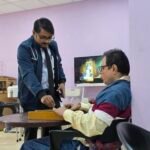
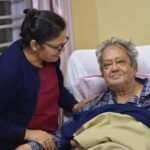
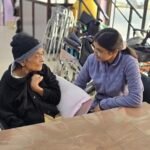
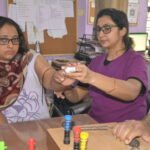
At Rehabana – Neuro Rehab Center, speech therapy for Parkinson’s patients is about everyday things: being understood, eating without fear, and feeling included in conversations.
What Actually Happens to Speech in Parkinson’s?
Parkinson’s disease affects movement.
That includes small movements we don’t think about – like moving the lips, tongue, voice box, and throat.
So over time, many people with Parkinson’s disease and speech changes notice:
- Their voice becomes very soft
- Speech sounds unclear or slurred
- Everything sounds flat or monotone
- Facial expressions reduce
- Talking feels tiring
- People ask them to repeat again and again
The difficult part is this:
Most patients feel they are speaking loudly and clearly. But the sound coming out is not what they feel inside.
That gap creates frustration.
Swallowing Problems Are Part of This Too
Speech and swallowing use the same muscles.
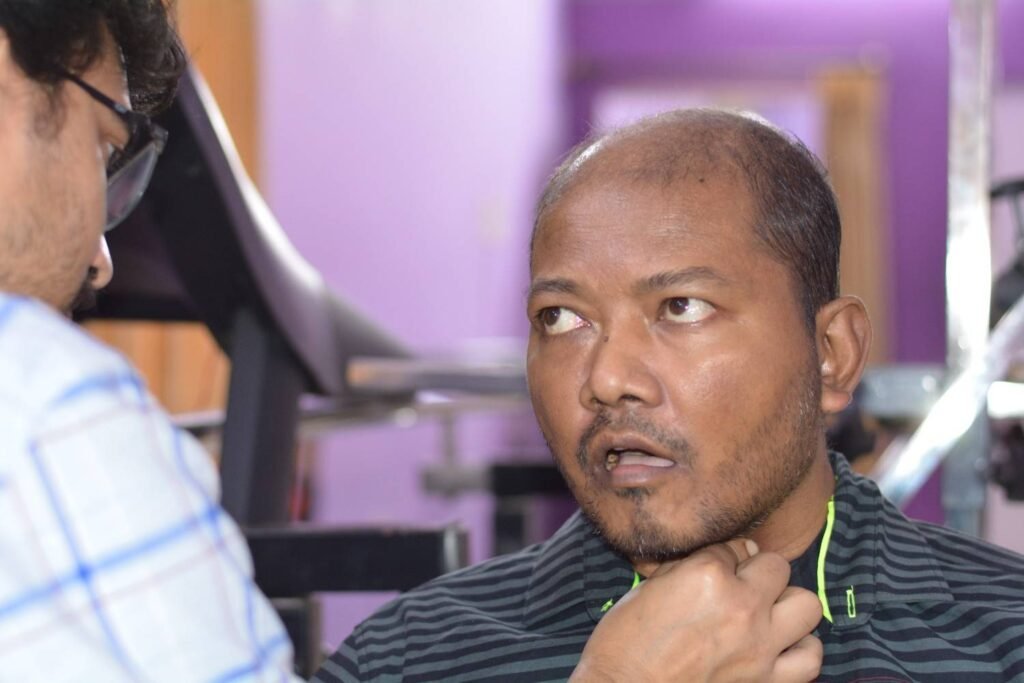
That’s why many Parkinson’s patients also develop swallowing difficulties.
Families notice things like:
- Coughing or choking while eating
- Water “going the wrong way”
- Taking very long to finish meals
- Fear of eating outside
- A wet voice after drinking
This problem is called dysphagia.
If food or liquid enters the lungs, it can cause aspiration pneumonia, which is serious.
That’s why understanding what speech therapists do for communication and swallowing is important – speech therapy focuses on safe swallowing as well as clear, effective communication, not just talking.
So What Does Speech Therapy Really Do?
Speech therapy does not cure Parkinson’s.
But speech therapy helps patients manage the parts of the disease that affect communication and eating.
A speech therapist or speech-language pathologist works with the patient to:
- Make speech louder and clearer
- Improve articulation (how words are formed)
- Slow down rushed speech
- Strengthen voice quality
- Reduce choking and coughing
- Improve communication confidence
It’s practical.
It’s personal.
And it changes daily life.
Read more: Speech Therapy: What It Is & How Speech and Language Therapy Works
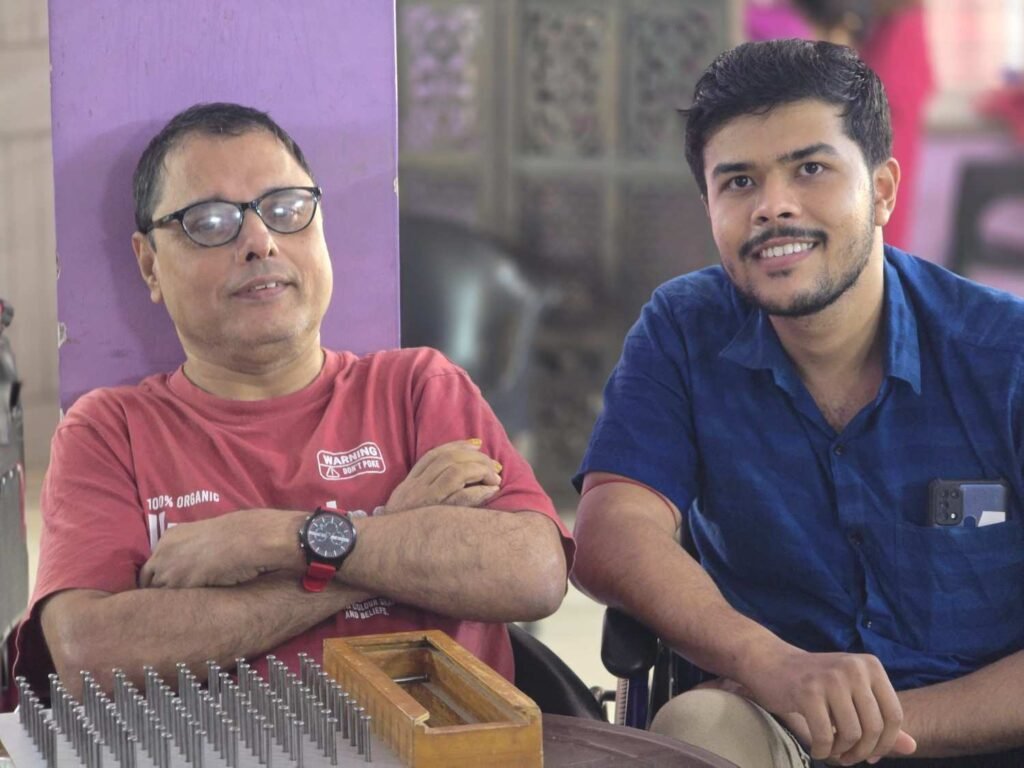
LSVT LOUD – Why You Hear This Name Often
You may hear doctors mention Lee Silverman Voice Treatment, also called LSVT LOUD.
It sounds fancy, but the idea is simple.
Parkinson’s patients slowly start using a very small voice.
Their brain accepts that as “normal.”
LSVT LOUD speech therapy for Parkinson’s retrains the brain to understand what normal loudness actually is.
It helps patients:
- Speak louder without straining
- Sound clearer
- Be heard in conversations
- Feel confident speaking again
This therapy is evidence-based and widely used for Parkinson’s speech problems.
Speech Therapy Is More Than Voice
Speech therapy for Parkinson’s also includes:
Clear Speech Practice
Working on mouth movements so words don’t sound slurred.
Facial Expression Training
Helping patients show emotion through the face again.
Swallowing Support
Teaching safer ways to eat and drink.
Sometimes it’s posture. Sometimes it’s pacing. Sometimes it’s food texture.
Communication Strategies
What to do when speech feels difficult.
How to communicate without panic.
How caregivers can help without interrupting.

When Should Speech Therapy Start?
Earlier than most people think.
You don’t have to wait until speech becomes “very bad.”
Speech therapy should start if:
- Voice is becoming softer
- Speech is harder to understand
- Meals involve coughing or choking
- The person avoids talking
- Family feels communication is changing
Early therapy helps maintain abilities longer.
What a Therapy Session Feels Like
It’s not stressful.
It’s not rushed.
A session may include:
- Simple voice exercises
- Speaking everyday sentences
- Practising louder speech
- Swallowing checks
- Talking about real-life problems
No exams.
No pressure.
Just steady work.
Recommended: Speech Therapy in Kolkata: Addressing Post-Operative Vocal Challenges
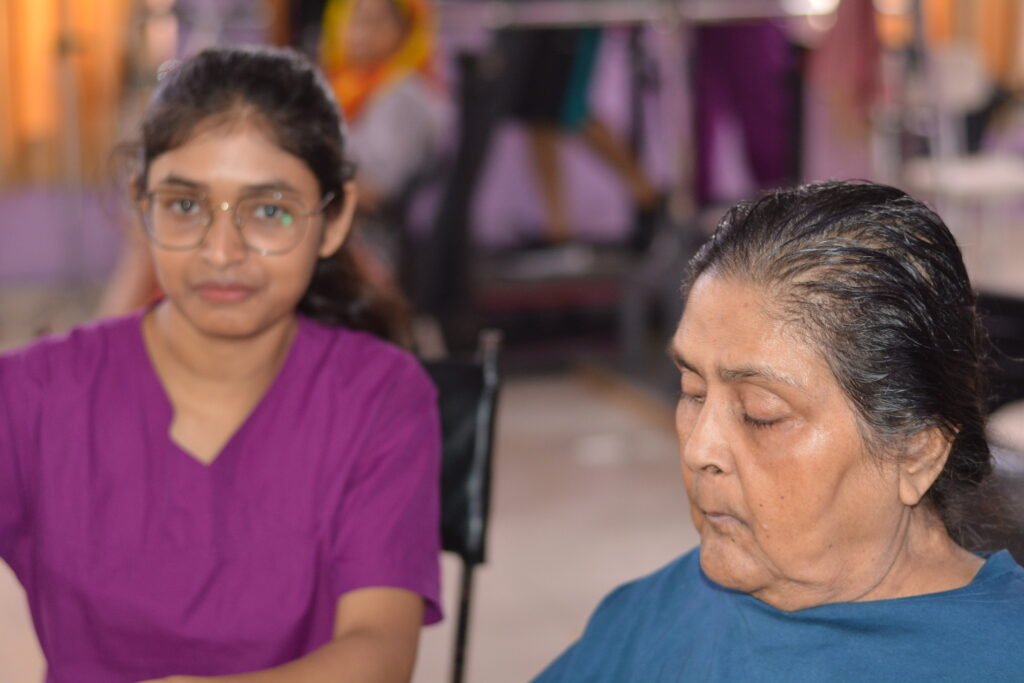
The Emotional Side (Very Real)
Speech problems often lead to:
- Embarrassment
- Silence
- Isolation
- Feeling ignored
Many Parkinson’s patients stop speaking – not because they can’t, but because it feels exhausting or pointless.
Speech therapy helps patients:
- Regain confidence
- Feel heard again
- Stay socially involved
- Feel like themselves
This emotional change matters just as much as physical improvement.
How Caregivers Can Help
Caregivers are a big part of success.
Simple things help a lot:
- Give time to speak
- Don’t finish sentences
- Reduce background noise
- Encourage practice gently
- Be patient during meals
Speech therapy works best when the home environment supports it.
Know more: Key Differences Between Physiotherapy and Neurotherapy
Does Speech Therapy Help in Later Stages?
Yes.
Even when Parkinson’s disease worsens, speech therapy can:
- Reduce choking risk
- Maintain basic communication
- Improve comfort
- Reduce caregiver stress
Therapy changes with the stage of the disease.
It never becomes meaningless.

How Long Does Speech Therapy Take?
There is no fixed timeline.
Some people improve in weeks.
Some need regular therapy to maintain skills.
What matters is not speed.
What matters is daily life becoming easier.
Speech Therapy at Rehabana
At Rehabana, Speech & Swallow Therapy is delivered with a clear, patient-first approach:
- Speech therapy is part of a doctor-guided rehab plan
- Therapists work closely with the rehab team
- Therapy is personalised
- Caregivers are included
- Focus stays on real life, not perfection
We aim for:
- Clearer speech
- Safer swallowing
- Better communication
- Less fear
One Last Thought
Parkinson’s disease may change how a person moves.
It may change how they speak.
But it should never take away their voice.
With the right speech therapy for Parkinson’s disease, people can communicate, eat safely, and stay connected – to family, to life, to themselves.
And sometimes, that connection is everything.
At Rehabana, recognised as one of the best rehab centre in Kolkata, we focus on helping people with Parkinson’s preserve dignity, confidence, and everyday communication through expert, compassionate care.