Neurorehabilitation is no longer limited to mats, mirrors, and repetitive drills.
Today’s cutting-edge technologies and innovative approaches are helping people with neurological impairments recover function, confidence, and quality of life in ways we couldn’t imagine earlier.
When a neurological problem enters a family, life changes quietly but deeply.
A person who was independent may suddenly need help to walk.
Someone who managed everything alone may struggle with balance, movement, or speech.
Families often feel confused and ask the same questions again and again:
What is the right rehabilitation?
Are we doing enough?
Will things improve?
This is where neuro rehabilitation becomes important – not as a medical term, but as a real support system for everyday life.
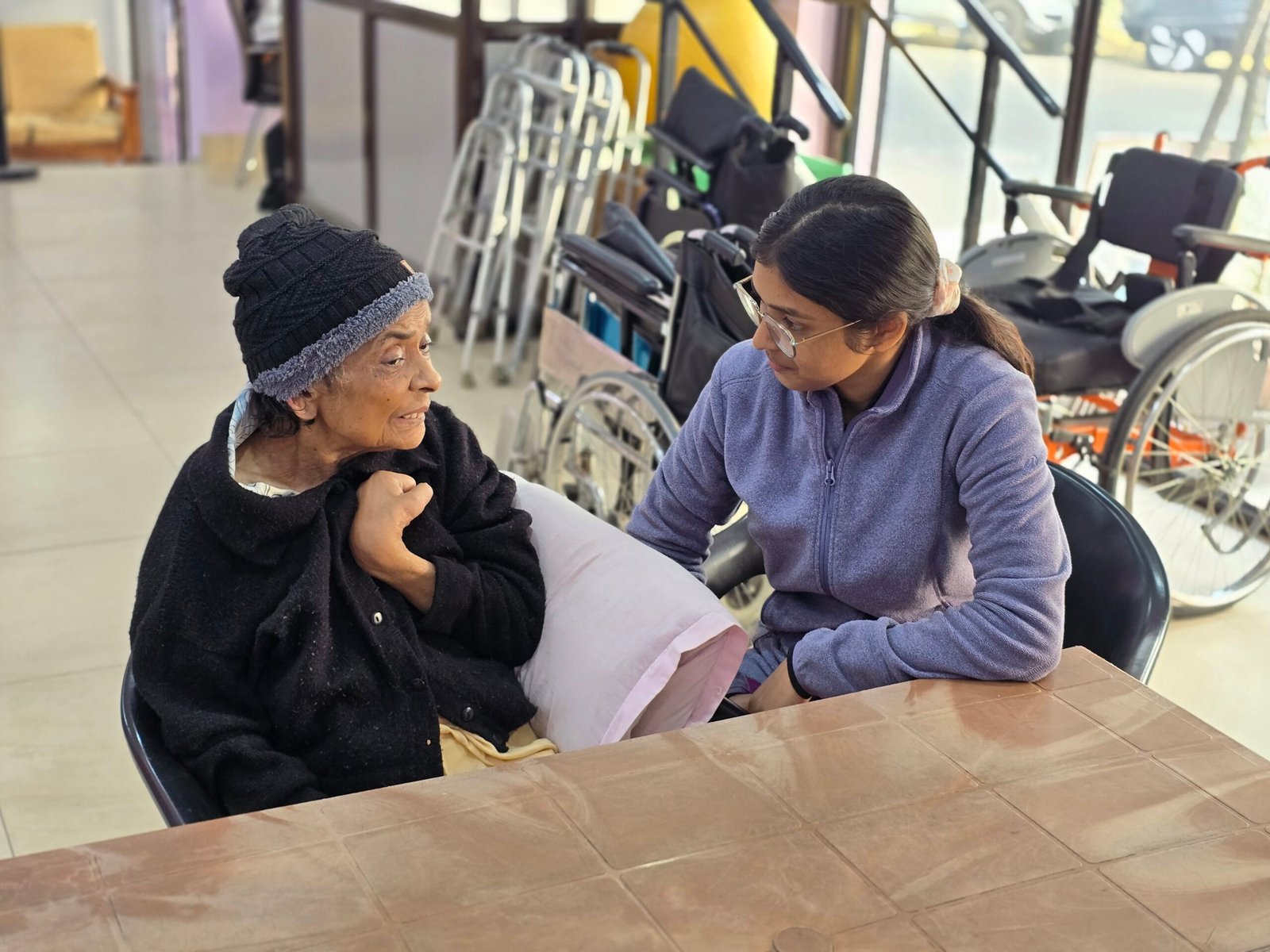
At Rehabana – a trusted neuro rehabilitation centre in Kolkata, neurological rehabilitation is about helping people slowly return to living – not just existing.
What Is Neuro Rehabilitation? (In Simple Words)
Neuro rehabilitation is a type of rehabilitation designed for people whose brain, spinal cord, or nerves have been affected.
This can happen due to:
- Stroke
- Spinal cord injuries
- Traumatic brain injury
- Parkinson’s disease
- Multiple sclerosis
- Other neurological disorders
When the nervous system is affected, the brain may struggle to send clear messages to the body. Because of this, a person may face problems with:
- Movement
- Balance
- Speech
- Memory
- Swallowing
- Daily activities
Neurological rehabilitation helps the brain and body work together again – slowly, safely, and step by step.
Why Neuro Rehab Is Different From Regular Physiotherapy
Many families ask:
“We can get physiotherapy at home. Why go to a rehab center?”
This is a very common and very honest question.
The answer is simple:
Neuro rehabilitation is not only about exercise.
People with neurological conditions usually need:
- A clear treatment plan made by doctors
- Different types of therapy working together
- Regular review of progress
- Special equipment and robotic devices
- Guidance for family members
At Rehabana, every neurorehabilitation program is guided by doctors trained in physical medicine and rehabilitation. Through a coordinated multidisciplinary neurorehabilitation approach, goals are discussed openly with patients and families, so everyone understands what recovery can realistically look like.
Know more: Key Differences Between Physiotherapy and Neurotherapy
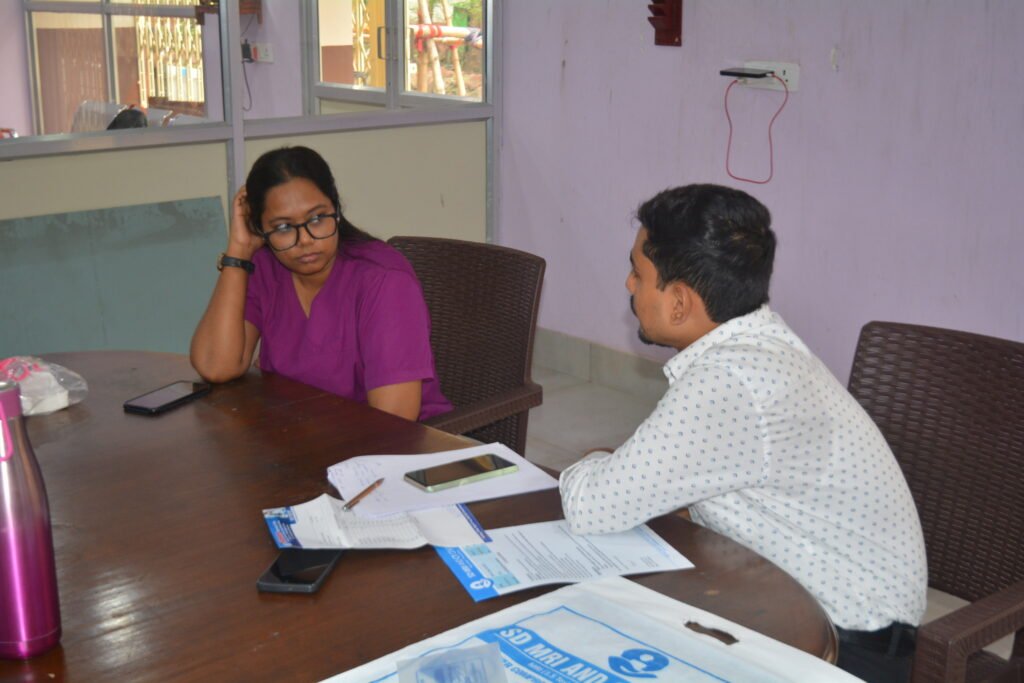
Main Techniques Used in Neuro Rehabilitation
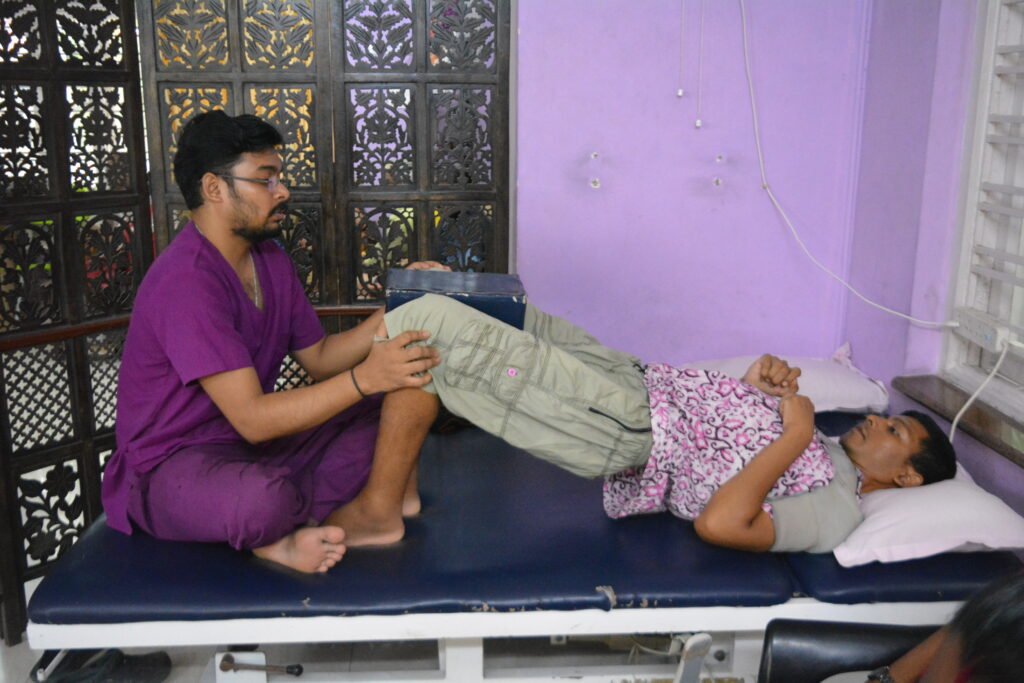
1. Physical Therapy – Helping the Body Move Again
Physical therapy focuses on improving:
- Strength
- Balance
- Walking
- Sitting and standing
- Arm and leg movement
For stroke patients, physical therapy may include:
- Training weak arms and legs
- Upper limb rehabilitation
- Balance practice
- Relearning how to walk safely
For people with spinal cord injuries, therapy focuses on:
- Using remaining strength properly
- Preventing stiffness and pain
- Improving mobility and posture
Physical therapists guide patients through movements and exercises that support motor recovery after stroke, gradually improving motor function, independence, and confidence.
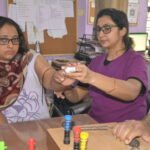
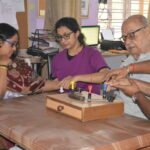
2. Occupational Therapy – Managing Daily Life
After a neurological problem, many people struggle with simple tasks like:
- Eating
- Dressing
- Bathing
- Writing
- Using a phone
This is where occupational therapy helps.
Occupational therapists focus on real-life skills. Their goal is to help patients become more independent in activities of daily living, even if movement is limited.
Sometimes the improvement is small – but small changes can greatly improve quality of life for both patients and caregivers.
Read more: Occupational Therapy: What It Is & how Occupational Therapist Improves Life
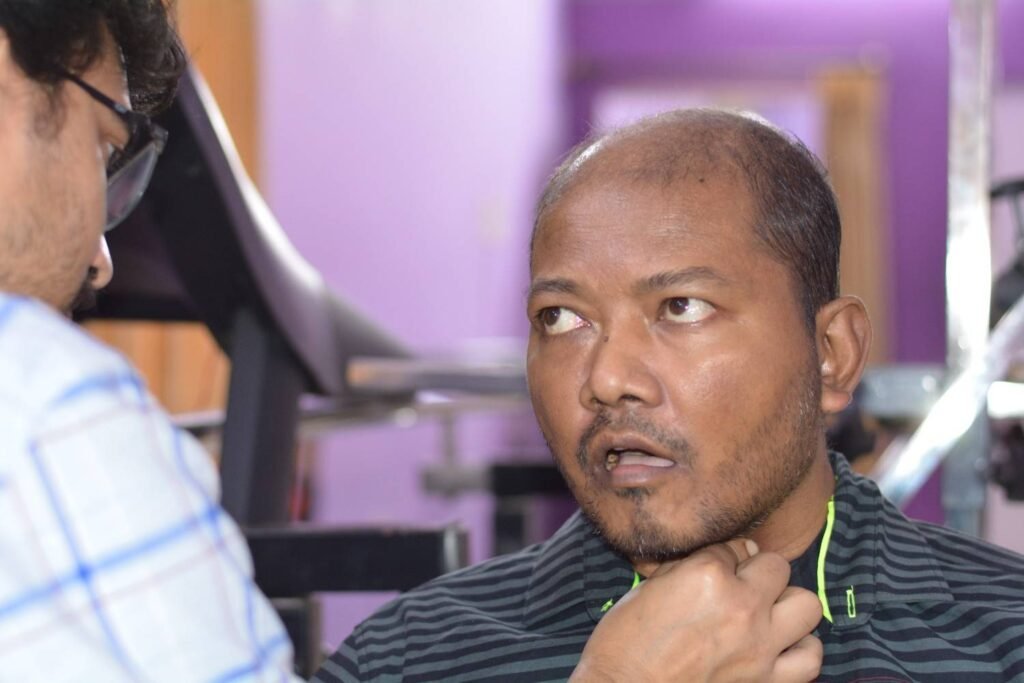
3. Speech Therapy – Communication and Swallowing
Neurological conditions often affect:
- Speech clarity
- Understanding language
- Swallowing food and water
Speech therapy (also called speech-language therapy) plays a vital role in managing speech and swallowing disorders after stroke and helps people:
- Speak more clearly
- Understand better
- Swallow safely
- Communicate without fear or frustration
This therapy is very important for stroke survivors, people with brain injuries, and those affected by neurological deficits involving speech.
4. Cognitive Rehabilitation – Helping the Brain Think Better
After a neurological event, a person may feel mentally slow or confused. They may struggle with:
- Memory
- Attention
- Planning
- Decision-making
Cognitive rehabilitation helps retrain thinking skills using simple tasks, daily examples, and repetition. Improving cognitive function helps people return to daily activities with more confidence.
Role of Advanced Technology in Neuro Rehabilitation
Robotic Rehabilitation
Robotic rehabilitation uses machines that support and guide movement. These machines:
- Help weak muscles move correctly
- Allow safe repetition
- Measure progress accurately
- Support effective rehabilitation
Robotic-assisted therapy is especially useful in:
- Rehabilitation after stroke
- Motor rehabilitation
- Spinal cord injury recovery
Virtual Reality Therapy
Virtual reality makes therapy more engaging. Patients practise movements in a digital environment, which helps with:
- Balance
- Coordination
- Motivation
- Focus
It turns therapy into an activity rather than a burden.
Pain and Nerve Support Techniques
Some patients benefit from techniques like:
- Transcutaneous electrical nerve stimulation (TENS)
- Transcranial direct current stimulation
These are used carefully by healthcare professionals to support pain relief, muscle activation, and recovery.
Doctor-Led, Personalized Rehabilitation Plans
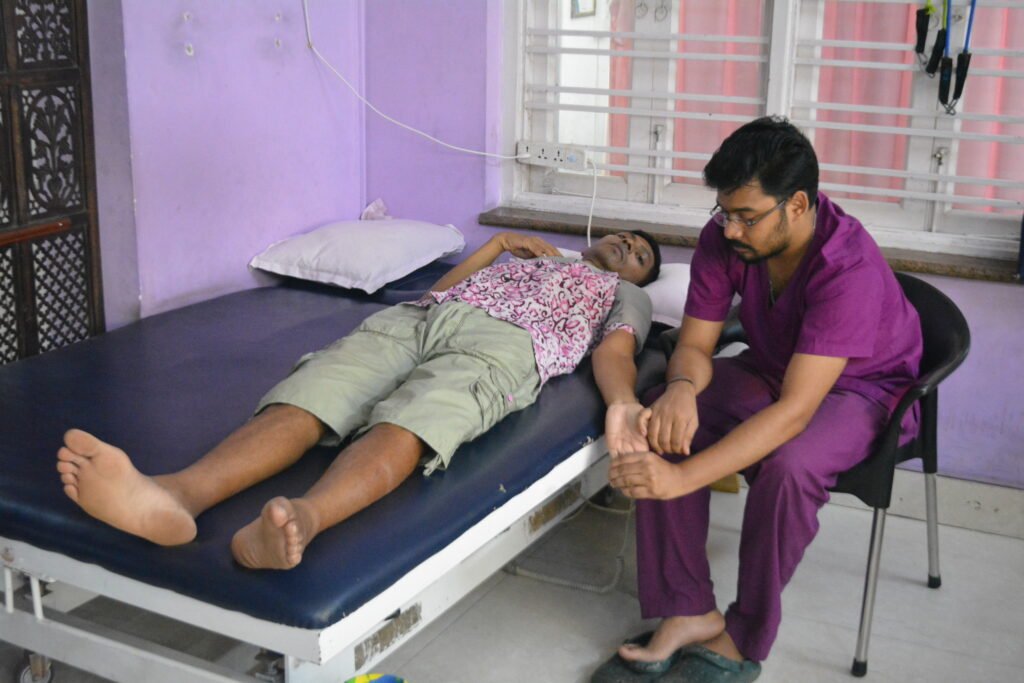
At Rehabana, rehabilitation is always doctor-led.
This means:
- Doctors design and review every rehabilitation plan
- Goals are practical and transparent
- Progress is reviewed every two weeks
- Families are included in decisions
These personalized rehabilitation plans help ensure better patient outcomes and realistic expectations.
Who Needs Neuro Rehabilitation?
Neuro rehabilitation helps:
- Stroke survivors
- People with spinal cord injuries
- Individuals with traumatic brain injury
- Patients with multiple sclerosis
- Parkinson’s disease patients
- Post-surgical nerve injury cases
- Children with cerebral palsy
Each condition needs a different range of treatment, but the aim remains the same – to help patients regain independence and dignity.
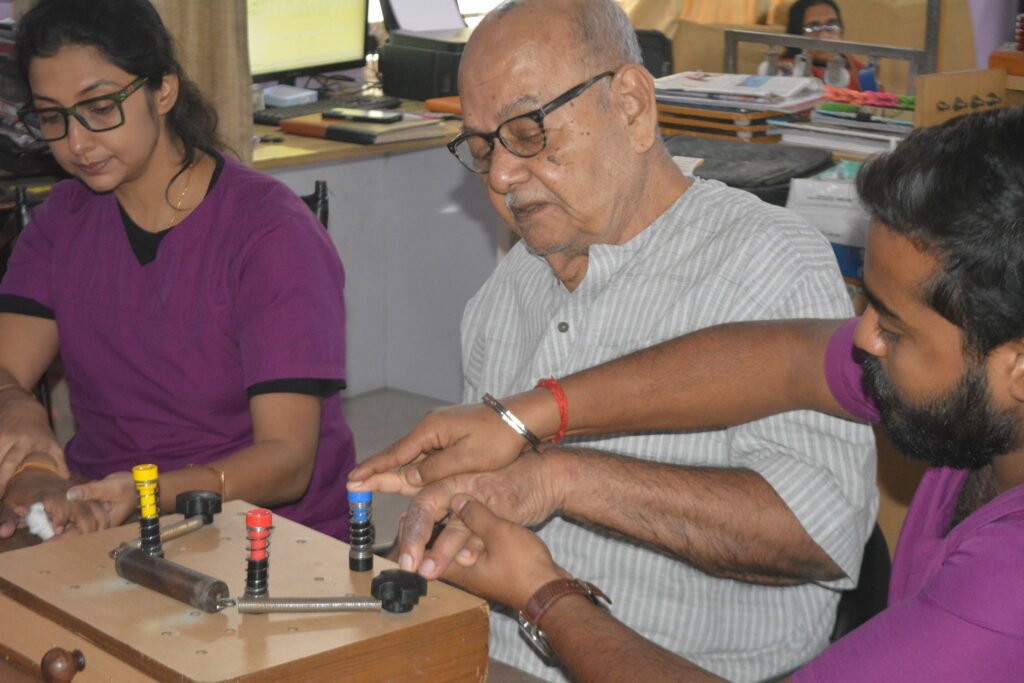
How Neuro Rehabilitation Improves Quality of Life
Neurorehabilitation helps patients:
- Improve physical and mental abilities
- Perform daily activities more independently
- Reduce pain and stiffness
- Build confidence
- Reconnect socially
It helps not only patients, but families too – by reducing stress and uncertainty.
Recommended: Multidisciplinary Stroke Rehabilitation India: A New Hope
Recovery Takes Time, and That’s Okay
Neurological recovery is not fast. It happens gradually.
Some people see progress in weeks. Others need months. What matters is:
- Regular therapy
- Family support
- A structured rehabilitation process
- Trust in the rehabilitation team
At Rehabana, success is not measured only by how much someone walks or talks.
It is measured by how comfortably they return to life.
Final Thought
Neuro rehabilitation is not about curing everything.
It is about helping people live better with what they have – and slowly improve what they can.
Neuro Rehab means Rehabana.
And for many families seeking reliable Neuro Treatment In Kolkata, that means care, clarity, and hope – one step at a time.