Families often hear both terms occupational therapy and physiotherapy and feel confused about which one is “better” or more important. This guide explains the difference in simple words, how each therapy helps, when you need which one, and why, in many cases, the best results come when both work together as part of individualised rehab protocol.
After a stroke, spinal cord injury, accident or surgery, doctors often say,
“Now you will need physiotherapy”
Most families nod politely…
Then from google or any other patients they come to know about occupational therapy.
Now they become confused-
“Which is better – occupational therapy or physiotherapy?”
You are not alone. This confusion is very common.
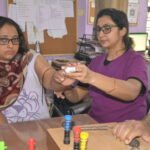
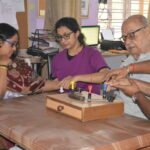
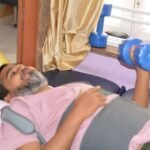
At Rehabana Neuro Rehab Center in kolkata , we use both physiotherapy and occupational therapy every day for our patients as per protocol framed by rehab physicians. They are not competitors. They are like two hands working together – one focuses more on strength of muscle, the other on practical implementation of power.
In this blog, we’ll explain in simple language:
- What physiotherapy does
- What occupational therapy does
- Key differences
- When you need which one
- And why, in most serious cases, you actually need both
What Is Physiotherapy?
Focus – Movement, Strength & Pain
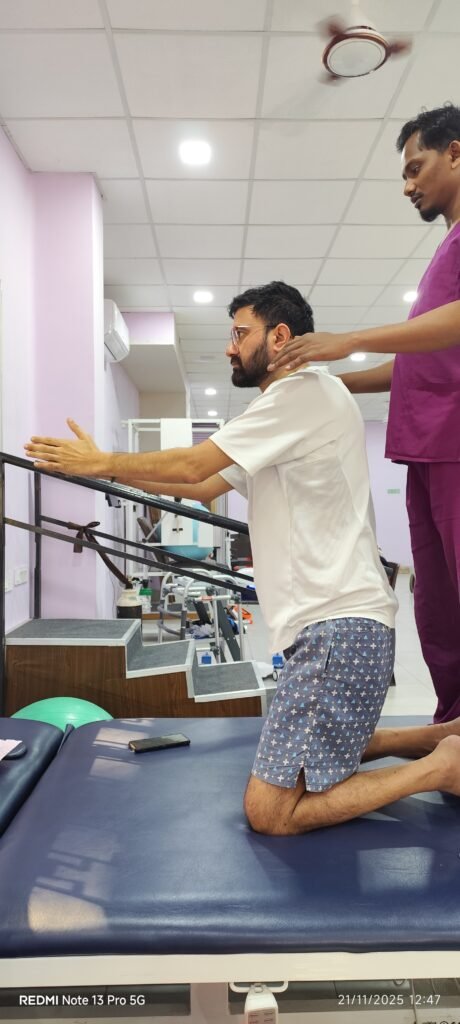
A physiotherapist mainly works on how your body moves.
Physiotherapy is about:
- Strength
- Balance
- Flexibility
- Walking and posture
- Pain reduction
A physiotherapist helps you:
- Get out of bed and stand after surgery or illness
- Walk safely after a stroke, accident or spine problem
- Reduce back pain, neck pain, knee pain and other joint issues
- Improve posture and prevent further injuries
- Build stamina and confidence in movement
Think of physiotherapy as working on the engine and frame of your body – your muscles, joints and movement. If you’re looking for expert care, the best physiotherapy in Kolkata ensures safer movement, faster recovery, and long-term relief.
Recommended: Exploring Physiotherapy in Kolkata: Top 10 FAQs Answered for Better Health
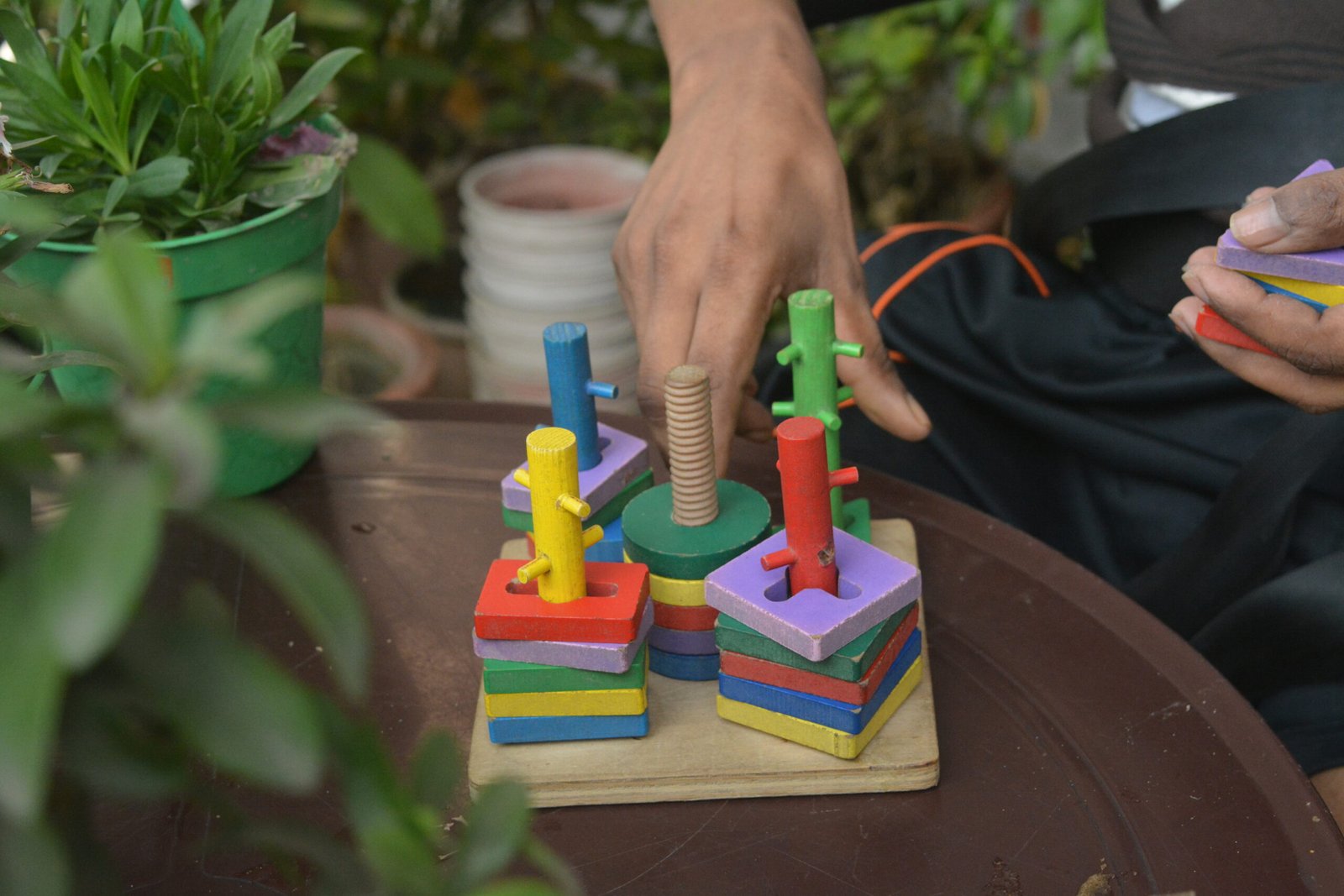
What Is Occupational Therapy?
Focus – Daily Activities & Independence
An occupational therapist (OT) focuses on what you actually do in daily life – your “occupations”. This includes:
- Bathing, dressing and grooming
- Eating, using the toilet, moving around the house
- Writing, cooking, office work, school activities
- Hobbies, social roles, being a parent, worker, student
Occupational therapy helps you:
- Learn new ways to do daily tasks after illness or injury
- Use adaptive equipment (grab bars, modified spoons, special chairs, etc.)
- Plan your day so you don’t get exhausted
- Return to work, school or hobbies as much as possible
You can think of OT as working on how you live your life, not just how your joints and muscles move. If you are looking for expert support, occupational therapy in Kolkata can help you regain independence and confidence in your everyday activities.
Read more: Occupational Therapy: What It Is & how Occupational Therapist Improves Life

Occupational Therapy vs Physiotherapy: What’s the Difference?
Same Team, Different Main Goals
Here’s a simple way to see the difference:
Physiotherapy
- Works more on body movement
- Focuses on strength, balance, range of motion, gait
- Helps you stand, walk, climb stairs, turn in bed
- Reduces pain and stiffness
Occupational Therapy
- Works more on daily activities and roles
- Focuses on bathing, dressing, eating, using hands, work tasks
- Helps you handle real-life tasks with the body you have right now
- Suggests changes in home or work setup for safety and ease
In many cases, both work with the same patient, but look at slightly different goals from different angles.
Examples: When Do You Need Which Therapy?
After a Stroke
- Physiotherapy helps with:
- Standing, walking, balance
- Moving a weak arm or leg
- Reducing stiffness and improving posture
- Standing, walking, balance
- Occupational therapy helps with:
- Using the affected hand for dressing, eating, combing hair
- Learning safe transfers – bed to chair, chair to toilet
- Returning to small home tasks and, later, work if possible
- Using the affected hand for dressing, eating, combing hair
Here, both are important. Physio gets the body moving, OT helps you use that movement in real life.
After a Spinal Cord Injury
- Physiotherapy focuses on:
- Strengthening muscles above the level of injury
- Sitting balance, standing (if possible), transfers
- Breathing exercises and preventing complications
- Strengthening muscles above the level of injury
- Occupational therapy focuses on:
- Wheelchair skills, bed mobility, self-care activities
- Training in bladder, bowel routines where needed
- Adapting the home (ramps, bathroom changes, seating)
- Wheelchair skills, bed mobility, self-care activities
Again, one without the other feels incomplete.
For Joint Pain or Arthritis
- Physiotherapy:
- Exercises to reduce pain and stiffness
- Improve joint movement and strength
- Correct posture and walking pattern
- Exercises to reduce pain and stiffness
- Occupational therapy:
- Teaches joint-protection techniques in daily tasks
- Suggests gadgets and changes (e.g., easier taps, light-weight utensils)
- Helps you keep doing cooking, dressing, puja, office work with less strain
- Teaches joint-protection techniques in daily tasks
Here too, physiotherapy improves the joint, OT helps protect it during life’s daily load.
Recommended: Physiotherapy in Kolkata: Key to Post-Surgery Recovery
So… Which Is Better: Occupational Therapy or Physiotherapy?
The Honest Answer – It Depends on Your Goal
If you force a comparison, you might ask:
- “What’s better – the engine or the steering of a car?”
Both are essential.
Similarly:
- If the problem is purely movement-related, like sports injury or simple back pain, physiotherapy may be the main need.
- If the problem is function and independence, like “I can’t dress myself” or “I can’t manage office tasks after injury”, occupational therapy becomes very important.
In neuro cases (stroke, spinal cord injury, brain injury, Parkinson’s, etc.), the truth is:
👉 The best results almost always happen when physiotherapy and occupational therapy work together.
How We Use Both at Rehabana
At Rehabana Neuro Rehab Center, we don’t ask:
“Occupational therapy vs physiotherapy – which is better?”
Instead, we ask:
“For this person, at this stage, what is the perfect composition of physio + OT?”
Team-Based Rehab, Not One-Therapy-Only
- Rehab doctors plan the rehabilitation program
- Physiotherapists handle strength, balance, walking, posture
- Occupational therapists focus on daily living, hand function, home and work roles
- Together, they meet the patient’s goals:
- Move better
- Live more independently
- Feel more confident and less afraid
- Move better
For people with neurological conditions, simply walking better (physio) is not enough if they still can’t bathe, dress, or manage their toileting independently (OT). That’s why we always see them as a team, not competitors.
How to Decide What You Need Right Now
Ask yourself or your loved one:
- “Is my main problem pain and movement – walking, standing, climbing stairs?”
- Start with physiotherapy, and add OT if daily tasks are still difficult.
- Start with physiotherapy, and add OT if daily tasks are still difficult.
- “Is my main problem independence – bathing, dressing, using hands, managing home or work?”
- You definitely need occupational therapy, and physio may support you alongside.
- You definitely need occupational therapy, and physio may support you alongside.
In many Rehabana cases, the answer is: “Both, but the focus shifts over time.” Early after injury, physio may be more. Later, OT may become central. We help you adjust this balance as recovery continues.