

A stroke can change life in a moment. Difficulty in performing daily activities, , bowel bladder issues, cognitive decline, speech problems and fear about the future affect every stroke patient and their family.
At Rehabana Neuro Rehab Center in Kolkata, our stroke rehabilitation program combines advanced evidence based treatment involving various therapy programs, interventions and medications to give the patient a goal oriented outcome.so that recovering from a stroke feels structured, hopeful and guided, not confusing.
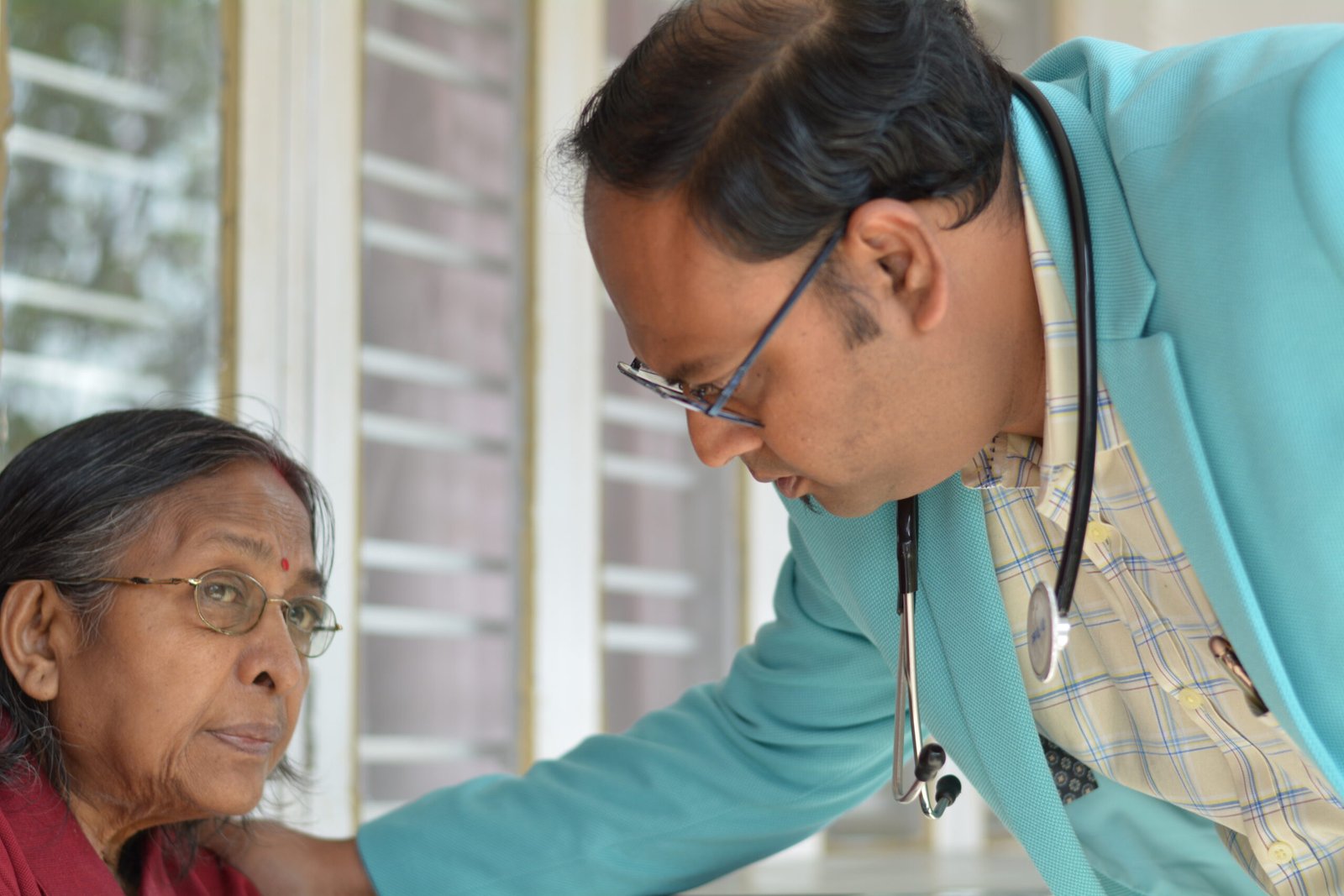
At Rehabana, stroke rehabilitation is led by doctors trained in physical medicine and rehabilitation who understand the many pathophysiology of stroke on body and brain, help you understand the severity, and plan and guide you through the entire recovery process. Rehab doctors understand the disease, its complications and can manage any emergency related to the patient. Whether it was an ischemic stroke, acute ischemic stroke or hemorrhagic stroke, we design a rehabilitation plan that matches the type of stroke, the severity of the stroke, and the current phase of stroke – acute stroke, subacute stroke or months after stroke.
Our aim is simple: help every stroke survivor improve physical function, speech, thinking skills and mobility after stroke, so they can return to as much independence as possible following stroke. We work with people with stroke and their caregivers to make a realistic, step-by-step rehabilitation process.
Many people affected by stroke feel that rest alone will bring full stroke recovery. But evidence-based review of stroke rehabilitation and major stroke association guidelines across the world show that a planned rehabilitation intervention and supervised therapy under a rehab physician, sessions started early (when medically safe) can improve stroke outcome and motor recovery after stroke. Early stroke rehab helps with:
Regaining walking after stroke and general walking function in stroke patients
Improving motor function after stroke, especially in the weak arm or limb after stroke
Reducing stiffness, pain and other impairment after stroke
Working on speech and language through speech and language therapy or language therapy
Supporting thinking, memory and other physical and cognitive changes resulting from a stroke
Ability to do the daily activities by yourself or with mild assist which the patient was unable to do at all
Wow, it’s like dream comes true. I can’t even think that I will be able to go washroom independently in past. But now I can walk and go everywhere I want. A great work by full Rehabana team, specially care and therapy team for give me that confident and support in which I can restart my journey.
Patient
From the ambience to the treatment me always get a positive vibe from here. Very advanced infrastructure and got a very humanistic behavior. Thanks to expert rehab physician, caring therapists, rehab nurses and happiness manager. A vibrant place, energetic individuals that impart energy to regain hope.
Patient
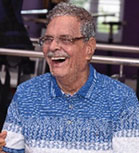
I was detected Vascular Parkinsonism in 2019.I already had arthritis on right knee and develop some mobility issues. Then I met DR AMBAR KONAR and there I like the very congenial atmosphere of REHABANA. It provides a very dedicated service. Therapists are sincere cheerful and knows that task very well. Now I got back my independent movement.
Patient
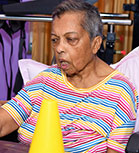
Rehab goals are explained and mostly achieved. Received all the required clarifications from DOCTORS. Additional support given to set up at home is excellent.
Patient
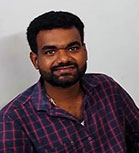
REHABANA create a new story in my life after bike accident. Without Dr. and his team guidance I never get back my ambulated life. This is best rehab center for TRAUMATIC BRAIN INJURY.
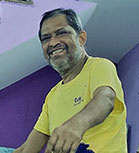
My experience with Rehabana is very good. My life was going to dependent on wheelchair for lifetime after spinal cord injury,I was unable to walk . Thanks to Dr KAUSTAV BASUTHAKUR and his team.Noe I am fully cured and leading a normal healthy life.
Patient
After 2 years of Stroke, my right side was totally paralyzed. Heavy weight was obstructed to bring back my life normal pathway. Hardworking, motivation of whole team making possible to move anywhere with assistive device.
Patient
We start by understanding the onset of stroke, type of stroke and what treatment you already had (stroke treatment like clot-busting for patients with acute ischemic stroke or craniotomy for bleeding). Rehab physician may use standard clinical tools, such as the National Institutes of Health Stroke Scale, to understand the severity of stroke and brain damage andevaluates:
This helps us design a comprehensive rehabilitation plan that is personalised for each patient with stroke and given to the therapy team for implementation.
Our physical therapy for stroke rehab focuses on:
We use techniques like bobath approach, balance & gait training, and The aim is to help people with stroke at risk of long-term disability achieve better function in stroke and more confident movement.
Occupational therapy focuses on how individuals with stroke manage daily life activities:
Our occupational therapists help people with stroke to achieve functional independence in daily life with Task specific therapy and in selected cases, constraint-induced movement therapy or modified constraint-induced movement therapy to improve use of the affected limb after stroke. They also help to adapt tasks, use adaptive equipment, and design home-friendly rehabilitation strategies so progress continues outside the centre as well. This is key to long-term recovery in stroke and better independence and quality of life.
Many stroke survivors have trouble speaking, understanding, reading, swallowing or finding words, especially following a stroke that affects the language areas of the brain. Our speech and language therapy and speech therapies support:
This is an important part of post-stroke rehabilitation, because communication deeply affects relationships, mood and participation.
At Rehabana , we also take care of psychological wellbeing after a stroke. Because after stroke depression, anxiety, insomnia, fear of fall, demotivation is very common, which affects outcome heavily. Motivation is the ultimate motto that “i can do it” is instilled in every stroke patient from the start.
At Rehabana, stroke rehabilitation is a true multidisciplinary rehabilitation effort. Your rehabilitation team includes:
Together, they provide neurological rehabilitation that looks at the whole person, not just one muscle or one test result. Our goal is better recovery and rehabilitation, not simply completing a set of exercises.
We see patients with acute ischemic stroke soon after discharge from acute stroke or inpatient rehabilitation, subacute stroke patients a few days after stroke or weeks after onset, as well as chronic stroke patients who come to us months after stroke and still want better function.
Whatever the phase of stroke, we adjust the rehabilitation services, intensity and exercises so they are safe and meaningful. For example:
In all phases, therapy can help improve function after stroke, mood and stroke outcome, even if full recovery is not always possible.
We know stroke can cause weakness, spasticity, pain and big emotional changes. Our rehabilitation process includes:
Our job is to provide structured rehabilitation and recovery and ongoing care and rehabilitation so that people affected by stroke are not left on their own after leaving the hospital.