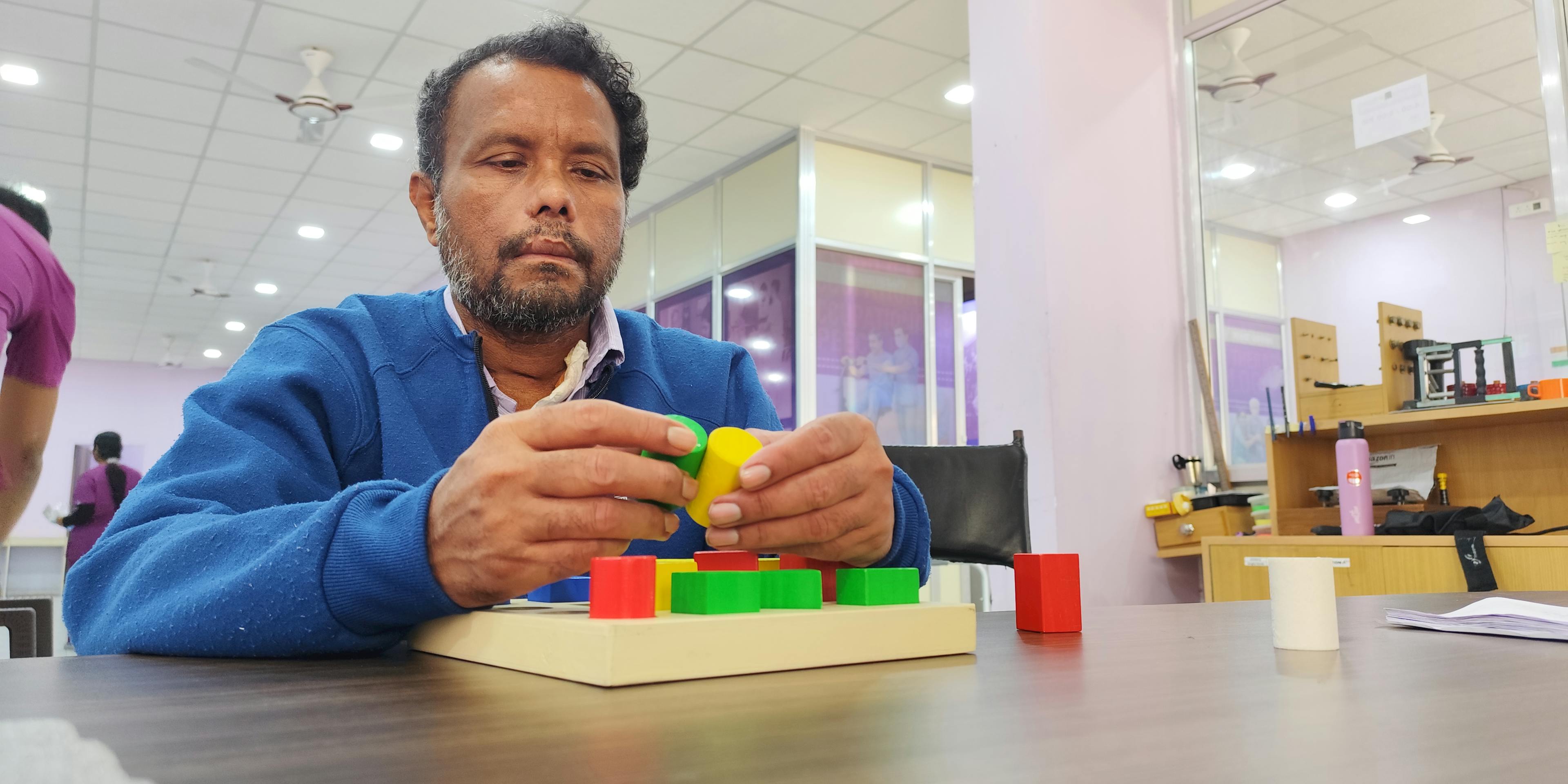
Occupational Therapy for Traumatic Brain Injuries Helps Recovery
Occupational Therapy for Traumatic Brain Injuries Helps Recovery. Discover how occupational therapy helps traumatic brain injury recovery.
Read MorePhysical rehabilitation is not about random exercises, it’s a structured medical process designed to restore movement, independence, and confidence. Here are proven rehabilitation strategies that physical therapists, rehabilitation teams, and families rely on to help people truly recover after illness or injury.
When someone begins rehabilitation, whether after an illness or injury, the questions start immediately.
“What kind of therapy do we need?”
“Is physical therapy enough?”
“Should this be inpatient or outpatient?”
“How long will recovery take?”
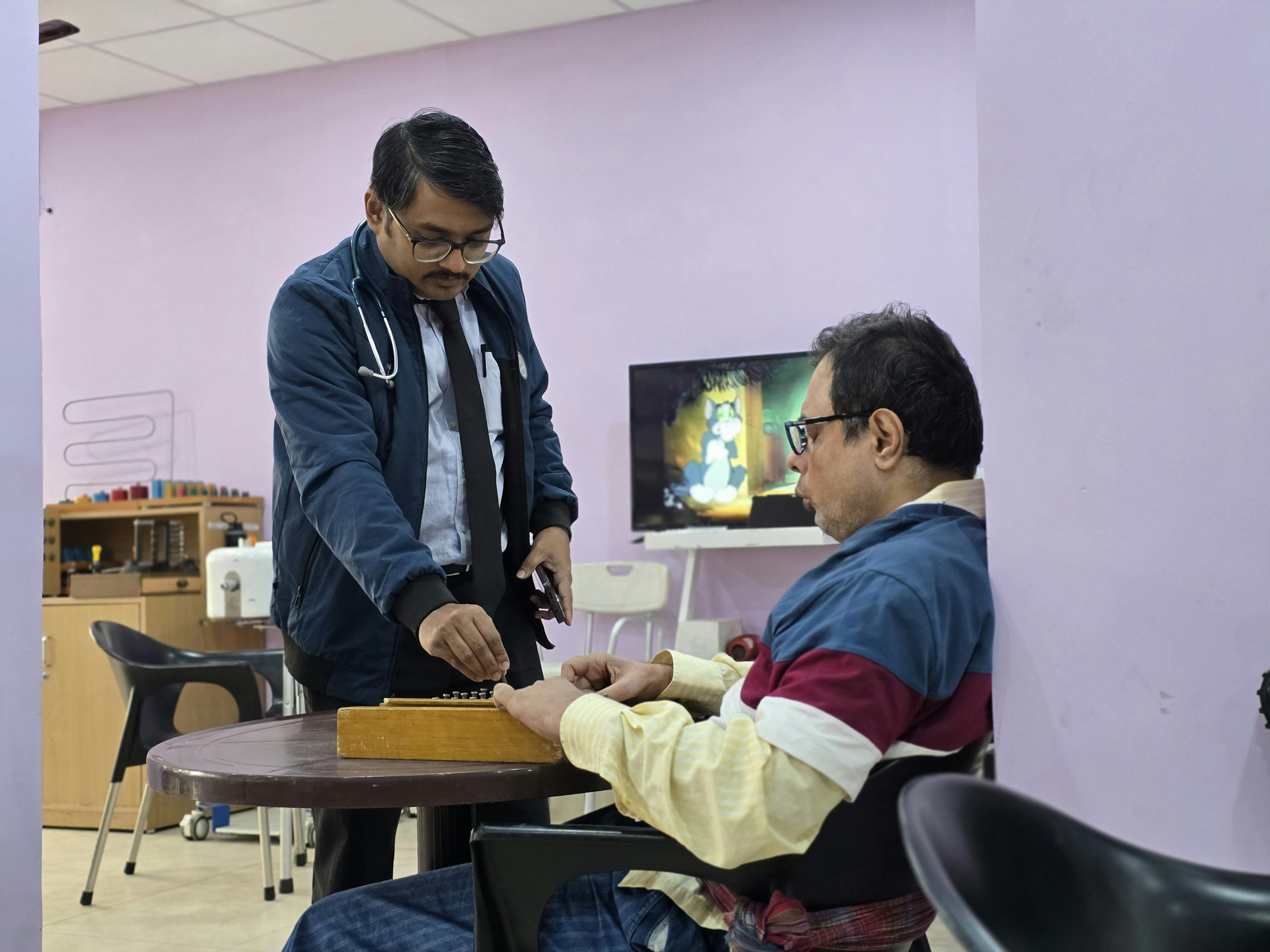
At Rehabana, a dedicated Neuro Rehabilitation Centre In Kolkata, we meet individuals with health conditions ranging from stroke, spinal cord injury, amputation, cerebral palsy, and chronic disease, to people living with low back pain, weakness after hospitalization, or long-standing disability. And nearly everyone asks the same thing:
“What actually works in physical rehabilitation?”
This article answers that question simply and honestly - using strategies grounded in physical medicine and rehabilitation, real-world clinical experience, and what we’ve seen help patients benefit from rehabilitation again and again.
One of the most important things families need to understand is this:
👉 Rehabilitation is a medical service.
It is not just exercise, and it is not optional after serious illness or injury.
According to World Health guidance and the Rehabilitation 2030 initiative, most individuals with health conditions will require rehabilitation at some point in their lives – especially as people live longer with chronic disease.
Medical rehabilitation is guided by:
Together, this rehabilitation team designs a safe, effective plan tailored to the person’s rehabilitation needs.
One proven strategy is early rehabilitation – starting therapy as soon as the medical doctor confirms stability.
Early rehabilitation can:
This applies whether someone is recovering in:
Early does NOT mean aggressive. It means appropriate, guided movement.
Every effective rehabilitation program begins with a clear treatment plan.
Rehabilitation goals might include:
Whether the person needs physical therapy, occupational therapy, or both, goals guide every therapy session.Modern rehab planning aligns closely with principles outlined in the WHO Rehabilitation in Health Systems Guide for Action, which emphasises goal-oriented, person-centred rehabilitation integrated into overall healthcare.
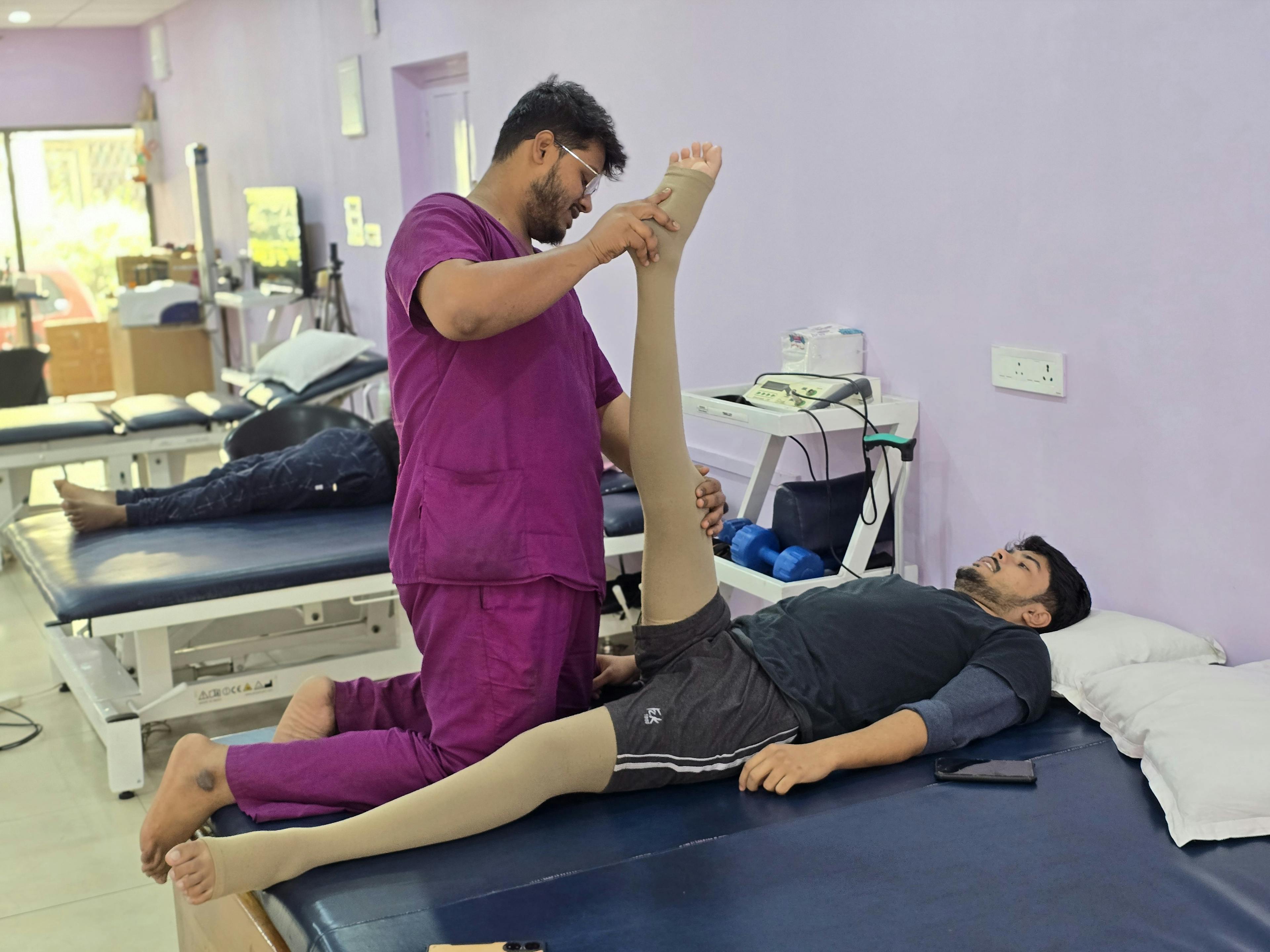
A physical therapist or occupational therapist adjusts the plan based on progress – not guesswork.
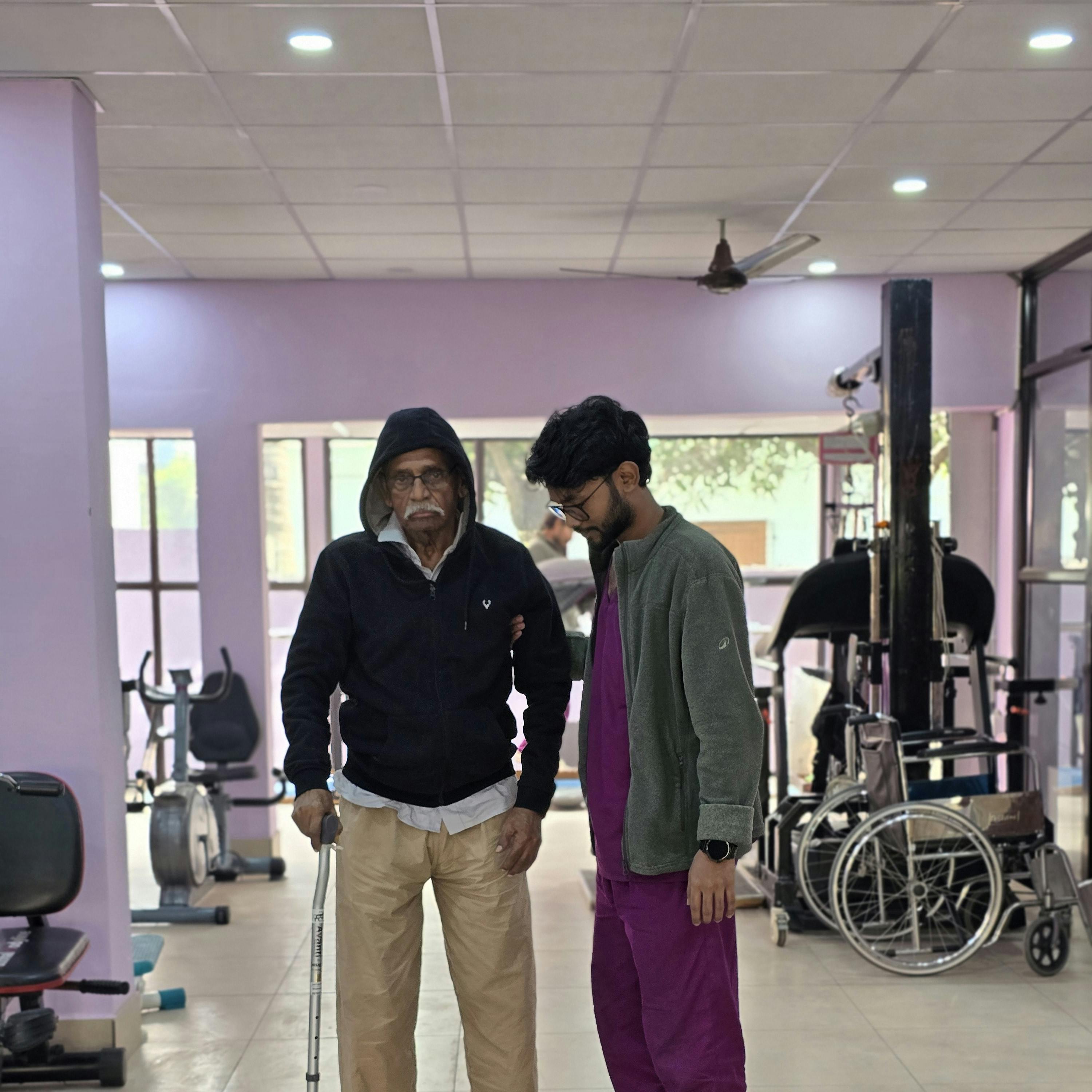
Physical therapy (also called physiotherapy) focuses on restoring movement, strength, and function.
Physical therapy practice is especially helpful for:
A physical therapist or physiotherapist helps patients regain confidence in movement, improve mobility, and reduce pain safely through structured, evidence-based care – making Physiotherapy in Kolkata an essential part of recovery for people dealing with injury, illness, or long-term physical limitations.
Read more: Physiotherapy and Rehabilitation: Here’s the Real Difference
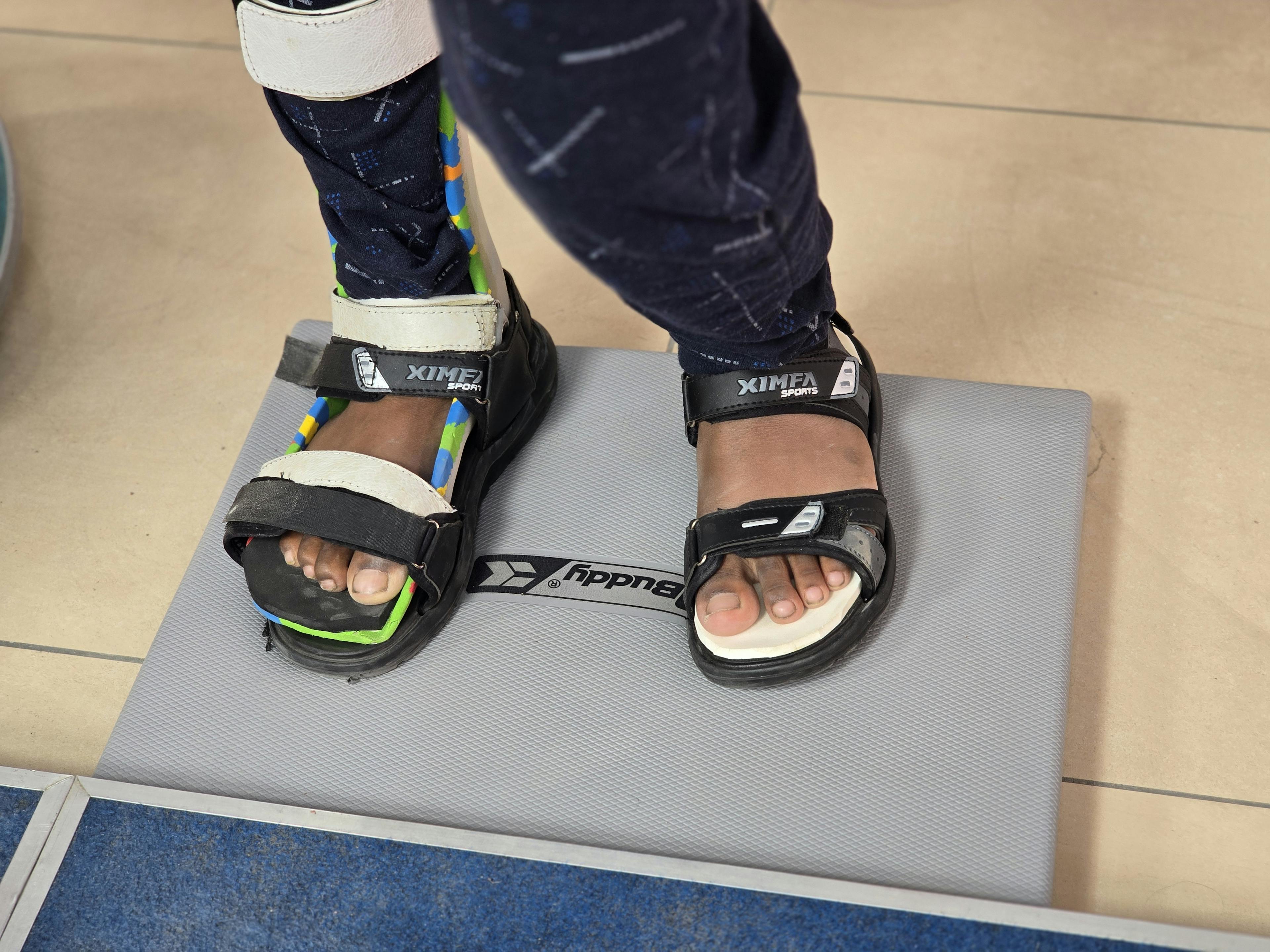
While physical therapy restores movement, occupational therapy focuses on function.
An occupational therapist helps people:
Occupational therapy is essential for people living with a health condition who struggle with independence – especially after stroke, spinal cord injury, or brain injury.
Together, physical and occupational therapy restore physical ability AND everyday function.
One of the most proven strategies is team-based rehabilitation.
A strong rehabilitation workforce includes:
This team approach ensures all aspects of recovery are addressed – physical, emotional, cognitive, and functional.
Rehabilitation can happen in different rehabilitation settings:
Best for people with:
Best for people who are:
Both inpatient and outpatient rehabilitation services play important roles – and many patients move from inpatient to outpatient care as they recover.
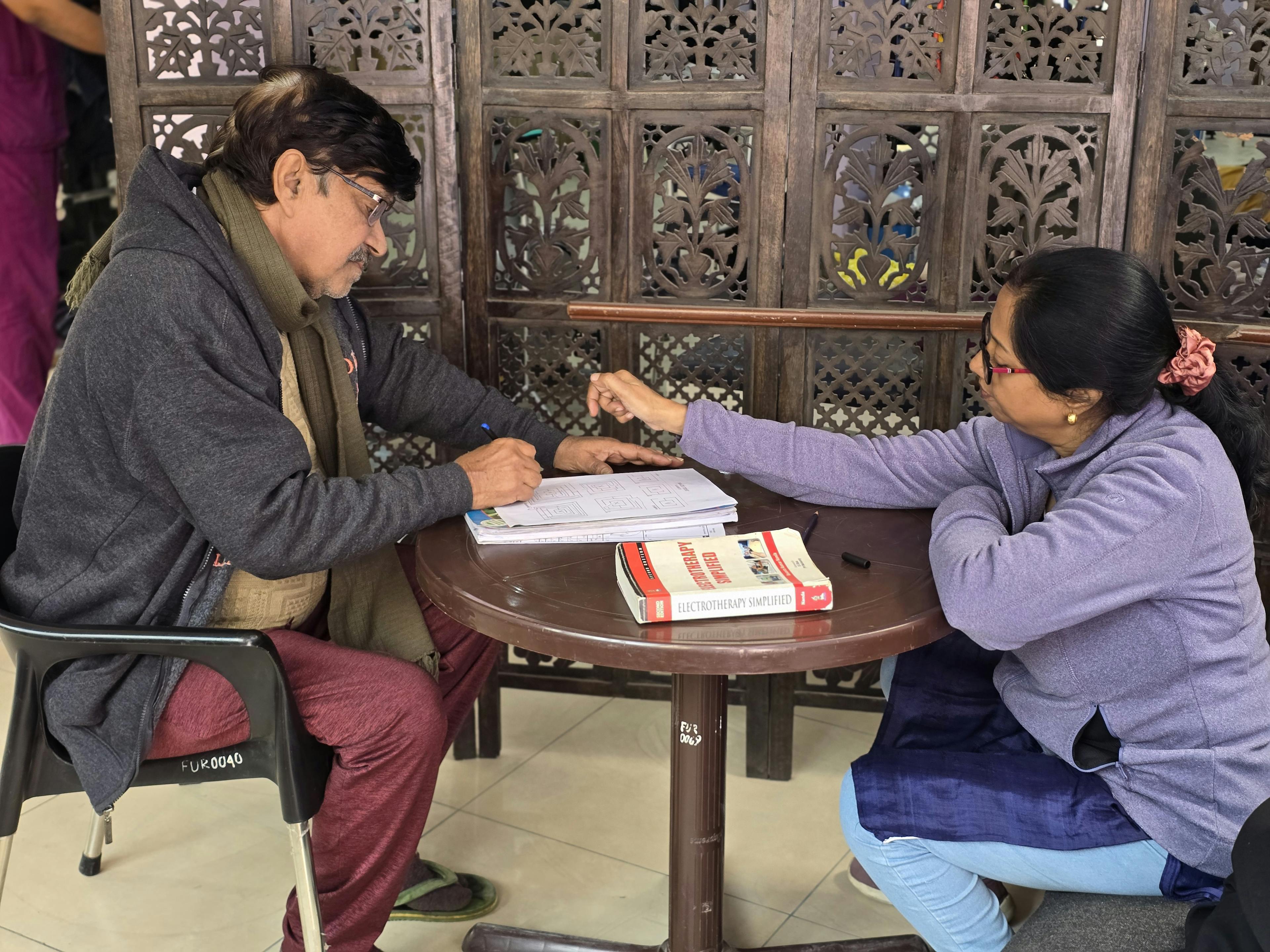
One proven rule of rehabilitation therapy is this:
👉 The body and brain relearn through repetition – but only meaningful repetition.
Effective therapy sessions focus on:
This applies across medical conditions – from cerebral palsy to cardiovascular disease to orthopedic injury.
Pain is common during rehabilitation – but unmanaged pain can slow progress.
Rehabilitation interventions may include:
Rehabilitation aims to reduce pain, not push through harmful pain.
Living with a health condition affects more than the body.
That’s why psychologists are often part of rehabilitation care services. They help address:
Recovery improves when mental health is supported alongside physical therapy.
Read more: Mental Health and Paralysis: Coping Strategies for Patients and Families
Families play a powerful role in rehabilitation.
What helps:
What hurts:
Rehabilitation can reduce the impact of disability – but only when the patient is allowed to try.
Many people believe they “don’t need rehabilitation.”
But rehabilitation can help people with:
In fact, global data shows most people will benefit from rehabilitation at some point – especially in low- and middle-income countries, where access to early rehab can change lives.
Physical rehabilitation works – when it is structured, medical, and patient-centred.
The strategies that truly help are:
Whether recovery happens inpatient, outpatient, or across both settings, rehabilitation helps restore physical ability, independence, and dignity.
Knowledge That Guides Recovery
Get expert neuro rehabilitation tips from the doctors at Rehabana, Kolkata — simple guidance on stroke recovery, spinal cord injury rehab, Parkinson’s care, and enhancing quality of life after neurological conditions.
Occupational Therapy for Traumatic Brain Injuries Helps Recovery. Discover how occupational therapy helps traumatic brain injury recovery.
Read More
How Speech Therapy Helps Patients with Parkinson’s Disease: Learn how speech therapy can help with slur, speech and swallowing difficulties.
Read More
Speech therapy and language therapy improve communication skills. Speech-language pathologists can help with speech and language, and swallowing.
Read More